
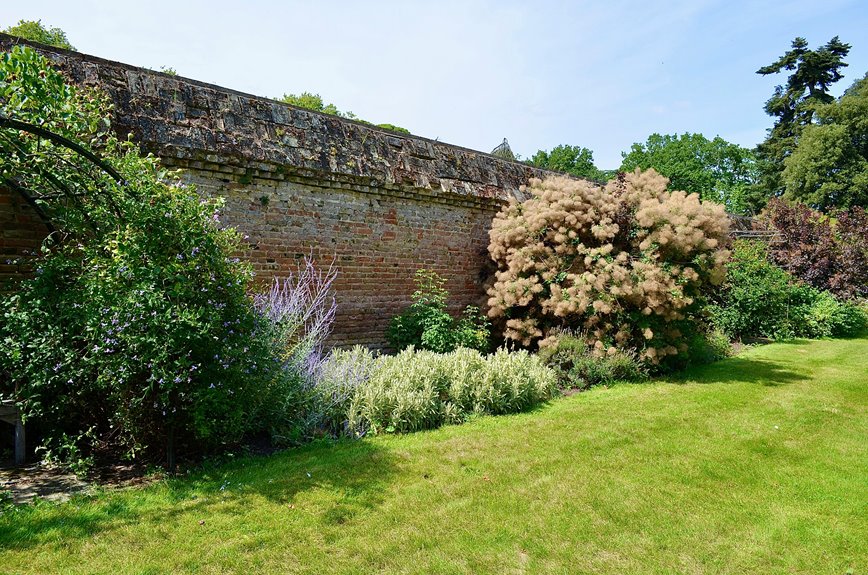
Whether you need planning permission really depends on three main things: how tall your wall is, where it sits, and what rules your local council follows. Front garden walls under 1 metre high that sit away from highways generally slip through without needing formal approval. Anything taller than that metre mark typically requires you to get permission first.
Location matters more than you might think. If your wall lives in a conservation area, stands near a listed building, or falls under an Article 4 direction, the rules get stricter. Even a modest 0.5-metre wall in these spots needs formal approval before you touch it.
Ownership and boundary agreements add another layer to consider. You’ll want to confirm that the wall actually belongs to you and that removing it won’t cross any legal lines with your neighbours.
Your smartest first step is calling your local planning department directly. They’ll walk you through what specifically applies to your wall, your address, and your situation rather than you guessing based on general rules that might not fit your circumstances.
Do You Need Planning Permission? Quick Check
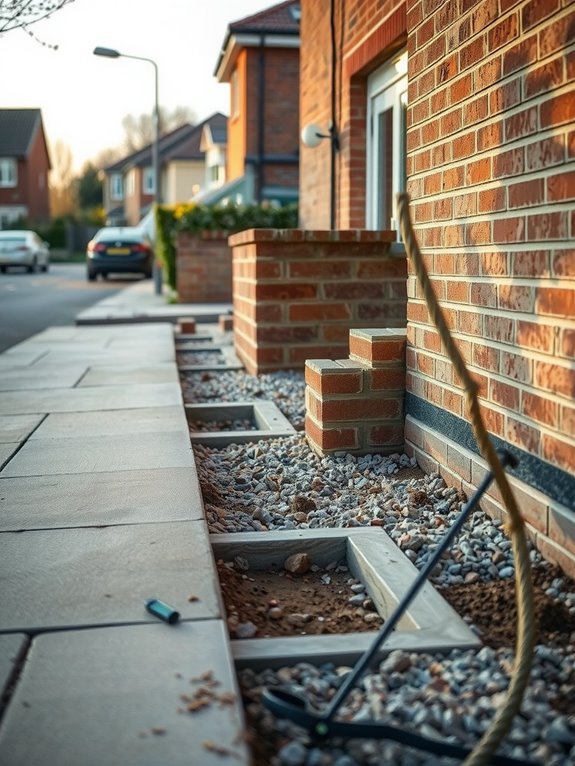
Whether you’ll need planning permission to remove that front garden wall really depends on a few specific situations that work together. Let’s break down what matters.
Whether you’ll need planning permission to remove your front garden wall depends on several specific situations working together.
If your wall sits next to a highway or public footpath, you’re looking at stricter rules. These walls can’t go higher than 1 metre, and removing one might need formal approval anyway. It’s one of those cases where the location itself changes what you can and can’t do.
Think about what your wall actually does. Some walls support nearby foundations or hold back soil as retaining structures. When a wall serves these purposes, building regulations apply whether you’re removing it or leaving it. The structural role matters as much as the wall itself.
Your front garden’s location in a conservation area or listed building curtilage adds another layer. These protected areas have additional constraints that apply to boundary changes. You can’t simply ignore these designations.
Here’s what works best: contact your local planning department before you start any removal work. A five-minute phone call gets you a clear answer about whether your specific wall qualifies for exemptions or needs formal approval. They’ll tell you exactly what applies to your property rather than you guessing based on general rules.
Check Your Wall’s Height for Planning Rules
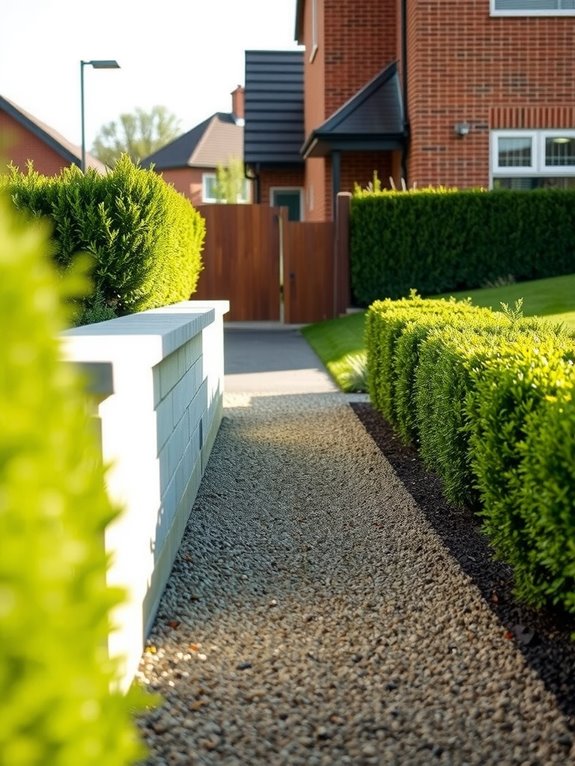
Your wall’s height is honestly one of the biggest factors in figuring out whether you need planning permission. If your front garden wall sits next to a highway or footpath, it can’t go higher than 1 metre without approval. Anywhere else on your property, you’re working with a 2-metre limit instead.
Now here’s where it gets important: if your existing wall already towers above these heights, you can’t make it any taller without getting permission first. These measurements aren’t suggestions or starting points—they’re actual rules that protect sightlines and keep neighborhoods safe by preventing walls from blocking drivers’ views or creating hazards.
Before you remove or modify anything, check your wall’s current height against these limits. If it’s already over the allowed measurement, you’ll need to apply for permission before making changes. This matters because it’ll shape your entire plan moving forward, whether you’re doing repairs, adding height, or taking it down completely.
Confirm Ownership Before Requesting Permission
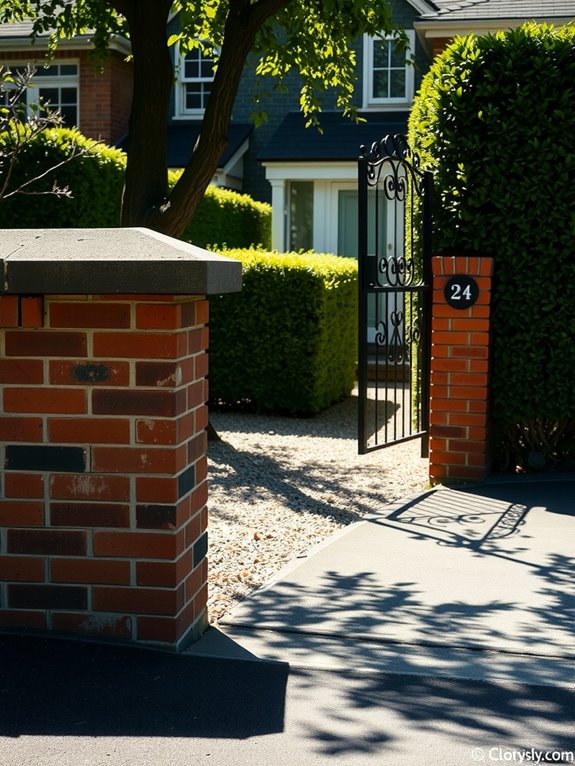
Ownership clarity matters quite a bit before you submit any planning permission application. It’s much easier to figure out now than to sort through complications later on. Start by checking your property deeds and any shared boundary agreements that came with your home purchase.
You’ll want to know whether the wall sits entirely within your curtilage or touches public land, since ownership directly impacts who needs to apply for permissions. If you’re dealing with a party wall or shared boundary, you’ll need to consult your neighbor first and follow proper procedures. When the wall borders publicly owned property, planning requirements shift considerably.
If ownership remains unclear after reviewing your documents, contact your local planning department or hire a boundary surveyor to establish rightful ownership before proceeding. A boundary surveyor typically costs between $300 and $800 depending on property size and complexity, but this groundwork prevents costly delays down the line and keeps everyone on the same page about who owns what and what comes next.
Listed Buildings: When Permission Is Required

If your property carries a listed status that extends to the garden wall or places the wall within your building’s curtilage, you’ll need planning permission before removing it. Listed buildings receive heightened protections, which means front garden walls—even when they’re separate from the main structure—typically fall under strict control requirements that shift depending on your local authority.
The specifics matter here. A brick wall measuring 1.2 meters tall made from handmade clay bricks receives different treatment than a modern rendered concrete block wall of the same height. Local authorities care about materials, construction methods, and how the wall relates to the listed building’s original design and period.
Your next step involves checking whether an Article 4 direction applies to your property. These legal designations remove the standard right to alter or remove walls without formal consent. They’re more common in conservation areas and around particularly important historic structures. Contact your local planning authority directly—they can tell you within days whether your specific wall falls under these restrictions or if you can proceed with removal under permitted development rights.
Curtilage And Protected Status
When you’re dealing with a front garden wall near a listed building, things get considerably more complicated than a standard removal project. The concept of curtilage matters enormously here. Curtilage refers to the land immediately surrounding a listed building that’s considered part of its protected status.
If your wall falls within this boundary—even if it doesn’t physically touch the house—you’ll likely need planning permission to remove it. Think of curtilage as an invisible zone of protection that extends outward from the building itself, typically covering anywhere from 5 to 50 meters depending on the property’s size and historical significance. Local authorities take these protections seriously because they preserve the character and setting of historic properties.
Boundary walls made from materials like brick, stone, or rendered concrete often qualify for this extra protection. Before you start removing anything, contact your planning department directly. They’ll confirm whether your specific wall sits within the curtilage zone and what permissions you’ll actually need. Bring photos and measurements of your wall to that conversation—knowing its exact height, length, and material composition helps them give you accurate guidance on next steps.
Removal Restrictions For Listed Properties
If your property or the wall itself falls within a listed building’s curtilage, you’ll absolutely need planning permission to remove a front garden wall. Listed-building protections exist because these walls contribute to the historical character of the area, and they’re taken seriously by local authorities.
| Scenario | Permission Required | Additional Consent |
|---|---|---|
| Wall within curtilage | Yes | Listed-building consent |
| Wall supports structure | Yes | Mandatory |
| Article 4 direction active | Yes | Always needed |
| Standard boundary wall | Possibly | Check locally |
The regulatory requirements depend on what your wall actually does. If that brick or stone wall braces the main structure or shares load-bearing duties, removal becomes even more tightly regulated. Some walls fall under Article 4 directions, which eliminate exemptions entirely and require permission in situations where you’d normally skip it.
A typical front garden boundary wall might be 3 to 4 feet tall and built from solid brick or rendered stone, functioning as both a physical boundary and a visual marker of the property’s period character. When a wall like this sits within curtilage—the land immediately surrounding a listed building—its removal triggers listed-building consent requirements on top of standard planning permission.
Contact your local planning authority before making any decisions. They’ll clarify which permissions apply to your specific wall and whether listed-building consent is needed in your situation. Different local authorities interpret curtilage boundaries differently, so getting their written guidance first saves time and frustration down the line.
Article 4 Directions: When Permission Is Denied
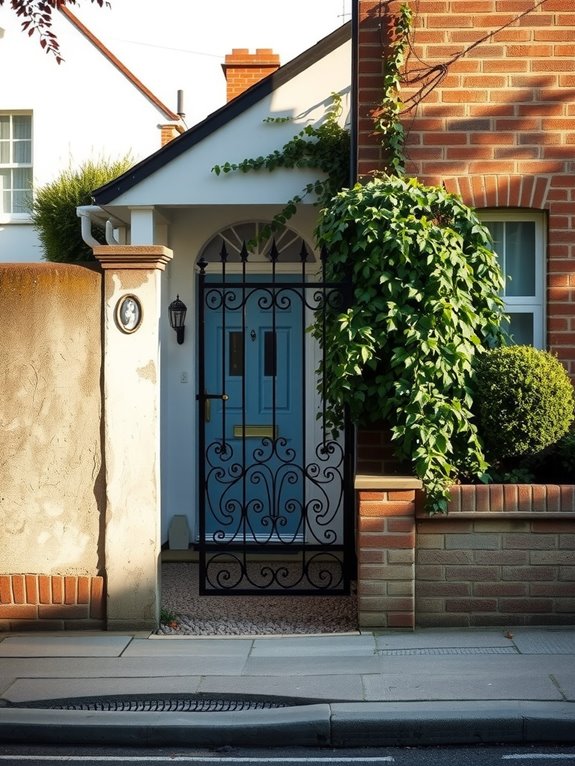
An Article 4 direction removes your right to take down that front garden wall without getting planning permission first. Your local authority can impose one in specific areas, which means even work that would normally count as permitted development elsewhere now needs formal approval. Think of it like a special restriction placed on your property that overrides the usual rules.
If your council has one active in your neighborhood, you’ll need to contact them before removing any walls or doing similar work. Check your council’s planning portal online—most councils have searchable databases where you can look up whether an Article 4 direction applies to your address. A quick phone call to their planning department works too if you’d rather ask directly.
The reason this matters is straightforward: skip this step and you could face enforcement action. Your local authority can demand you rebuild that wall exactly as it was, which gets expensive and time-consuming fast. They typically give you a notice period to comply, but ignoring it can lead to further action.
Article 4 Direction Basics
What’s an Article 4 direction, and why should you care about it? It’s a local planning tool that removes your automatic right to alter walls, fences, or gates without getting express permission first. Your local council uses these directions to maintain control over external changes in specific neighborhoods or conservation areas.
When an Article 4 direction applies to your property, you can’t simply remove that front garden wall or replace a 1.2-meter fence without approval. You’ll need to contact your planning authority and submit an application before making changes. The process typically takes four to eight weeks for a decision, so timing matters if you’re planning renovations.
These directions vary significantly by location and get updated regularly as councils reassess their priorities. A Victorian terrace street might have one in place to protect original features like cast iron railings or stone boundary walls, while a modern estate might not. Your neighbor’s property could be covered while yours isn’t, depending on the specific area boundaries.
Always verify your property’s current status through your local council’s planning portal or by calling them directly. Give them your address and ask whether any Article 4 directions apply. They can tell you exactly what work requires permission and what remains permitted development.
Think of it as your neighborhood’s way of protecting its distinctive character and historical features. Before you grab your sledgehammer or start removing vegetation-covered stonework, a quick phone call to confirm your situation beats having work stopped partway through or facing enforcement action later.
Permission Requirements And Restrictions
If your property falls under an Article 4 direction, standard permitted development rights don’t apply—you’ll need formal planning permission for work that normally wouldn’t require it. Think of it as your local authority saying certain changes in your area need official approval.
Your local council might enforce an Article 4 direction for several reasons. Perhaps your neighborhood has distinctive architectural character worth protecting, or the council wants to keep consistent streetscapes across the area. When one is active, common exemptions like removing a front garden wall or making minor alterations simply vanish.
You can’t sidestep this restriction by working around the rules. Standard exemptions genuinely don’t apply, and ignoring the requirement could result in costly enforcement action down the road. The safest move is contacting your local planning department right away to confirm whether your specific property is affected. They can tell you exactly what work requires permission and what the application process looks like. Getting clarity upfront saves headaches and expense later.
Highway Access: Planning Authority Requirements
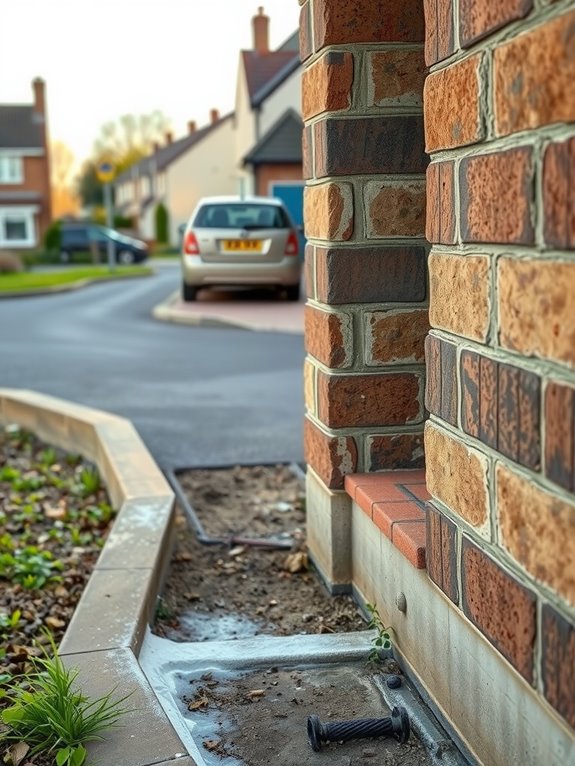
Walls next to highways or their footpaths face stricter rules than garden structures tucked away from public view. The planning authority applies extra scrutiny because these walls affect traffic safety and sight lines for drivers and pedestrians.
Height limits are your first checkpoint. If your wall reaches above one metre near a road, you’ve already exceeded what’s allowed. The planning authority won’t approve removal plans that could block driver visibility or create traffic hazards, regardless of how reasonable the project seems otherwise.
Walls exceeding one metre near roads won’t be approved, as height limits prioritize driver visibility and traffic safety above all else.
Changes to your driveway entrance or gateway alongside wall removal can pull in additional highway requirements. Even when certain exemptions technically apply to your wall itself, these alterations often trigger fresh regulations. The rules interconnect in ways that aren’t always obvious at first glance.
Your location shapes what’s actually permitted. Council guidance varies considerably between different areas, and an Article 4 direction in your region might eliminate exemptions you’d normally expect. Contact your planning authority directly before moving forward. They’ll explain exactly what permissions and assessments you need for your specific situation, which beats guessing and discovering problems mid-project.
Next Steps: How to Apply for Permission
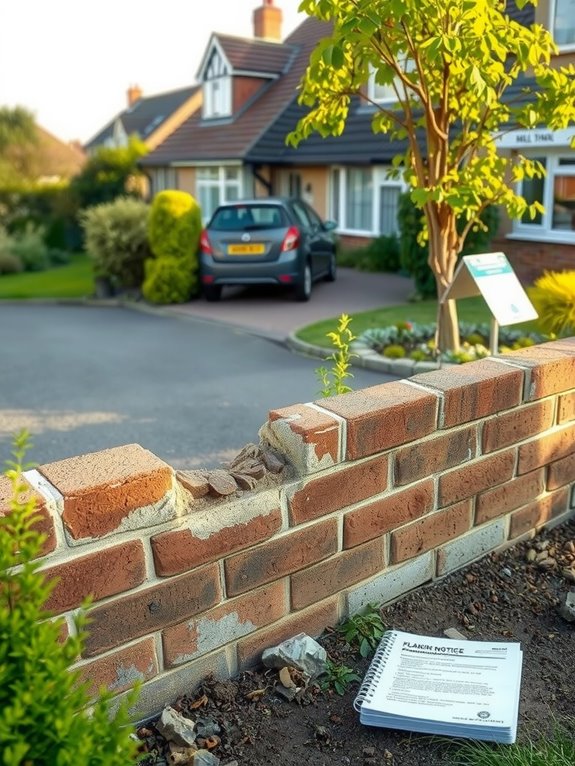
Once you’ve determined that your front garden wall removal likely needs permission—or you’re just not entirely sure—the next step is to reach out to your local planning department directly.
Start by pulling together the paperwork you’ll need. Grab your property deeds, take clear photos of your boundary wall from different angles, and measure its height (most walls between 1 and 1.2 meters trigger permission requirements) and note how far it sits from the highway edge. Having these details ready saves you time and shows the planning officers you’re serious about the process.
Before you submit anything official, give your local planning department a call. Ask them specific questions about your situation and whether your wall height and location mean you need permission. Planning officers appreciate when people check first rather than diving in blind, and they’ll often give you a sense of what documentation they’ll want to see.
When you’re ready to move forward, complete the official planning permission form. Include sketches or a simple diagram showing where the wall currently stands and what you’re planning to do—whether you’re removing it entirely, building something shorter in its place, or installing a fence instead. These sketches don’t need to be architectural drawings; clear enough for someone else to picture what you mean works fine.
Attach proof that you actually own the boundary, along with a brief explanation of why you’re removing the wall. If you’re doing this for safety reasons, better sightlines, or to open up your garden layout, say so. The planning department wants to understand your reasoning.
Finally, budget for the application fee, which varies depending on your local authority and the scope of the work. Costs typically range from £50 to £200, though calling ahead will give you the exact amount for your area.