

Before you place that shed, check your local front-yard setback requirements, which typically demand 10 to 20 feet between your structure and the street. Call your building department to confirm zoning laws and whether you need permits for sheds larger than 100 to 120 square feet. Your HOA bylaws often impose stricter rules than municipal codes, so don’t skip that step.
Next, verify your property lines with a surveyor or your deed, and identify any utility easements that might block your ideal spot. Underground gas, water, and electrical lines matter more than you’d think when choosing placement. Get written approvals from your local government and HOA locked in before you buy materials or dig any holes.
A simple mistake here costs real money later. Taking these steps upfront keeps your shed investment solid and prevents costly removal or fines down the road.
Check Zoning Laws for Front-Yard Shed Placement
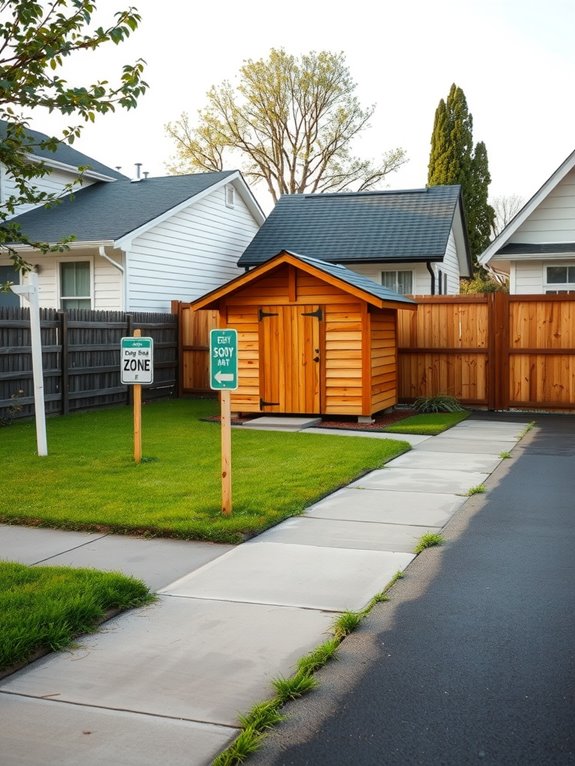
Before you break ground on that front-yard shed, you need to understand your local zoning laws—think of them as the rulebook for what you can and can’t build where. Your city or county sets specific front-yard setback requirements, typically ranging from 10 to 20 feet from the street. These measurements matter because they determine exactly where your shed can sit on your property.
Start by contacting your local planning department about zoning laws and whether you need a building permit. Most jurisdictions require permits for structures over 100–120 square feet, so a small 8-by-10-foot shed might slip under the radar while a 12-by-12-foot one probably won’t. Verify your property lines and easements at the same time, since utility companies often have legal access rights that restrict where you can build. If you’re in an HOA community, those covenants add another layer of requirements to follow before you even pick up a hammer.
Navigate Front-Yard Restrictions and HOA Rules
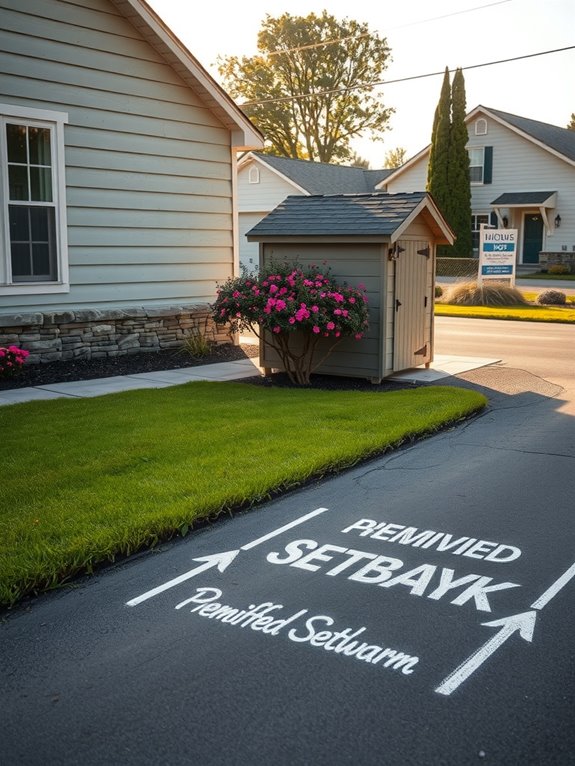
Before you order that 10-by-12-foot wooden shed, it’s worth spending an afternoon figuring out what your HOA and local government will actually allow. A little upfront research prevents expensive mistakes later.
A little upfront research on HOA and local regulations prevents expensive shed-installation mistakes later.
Call your local building department and ask for your exact front-yard setback requirements. Most areas mandate 10 to 20 feet between your property line and the street, though some neighborhoods are stricter. While you’re on the phone, ask what permits you’ll need and confirm your local zoning rules for accessory structures. They can tell you the maximum shed size allowed in your district and whether certain materials are prohibited.
If you live in an HOA community, pull out those bylaws and read the sections on accessory structures. HOA rules frequently demand stricter standards than municipal codes do. They might require your shed to match your house’s siding color, limit dimensions to 8 by 10 feet, or dictate that sheds stay in backyards only. Some HOAs won’t allow vinyl at all and insist on wood or metal siding.
Check your property line with actual measurements, not assumptions. Look for any easements—those are strips of land utilities companies or neighbors have the right to access. A 10-foot utility easement running through your backyard could eliminate your ideal shed location. If your property deed is vague or you’re uncertain where boundaries sit, hire a surveyor for a few hundred dollars. That beats removing a shed you built in the wrong spot.
Get written approval from both your local building department and your HOA before buying materials. Email confirmations and keep copies of all permits and variance approvals in a folder. These documents protect you if disputes arise later and help future buyers understand what was authorized.
Obtain Permits and Verify Your Property Boundaries
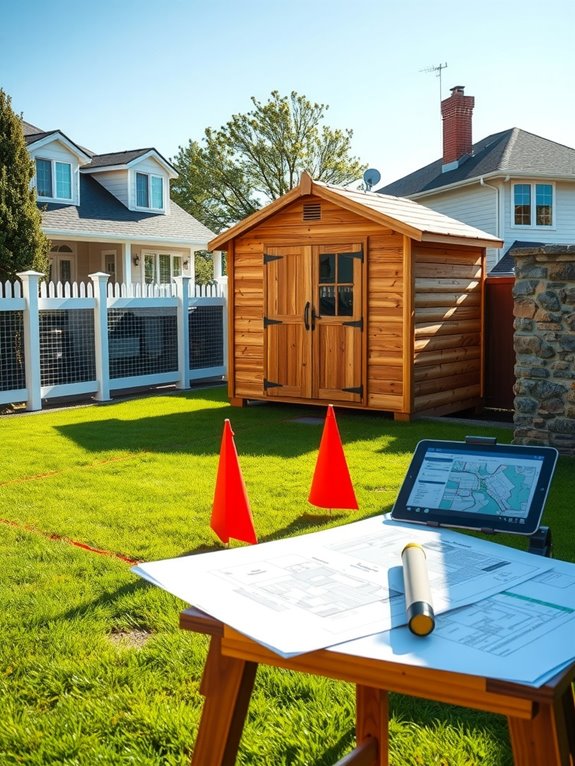
Start by getting a property survey done—think of it as your personal map showing exactly where your land begins and ends. This document pinpoints your property lines and reveals where setbacks and easements sit on your land, which saves you from expensive relocating headaches down the road.
Next, look up your local front-yard setback requirements, which usually fall between 10 to 20 feet but shift depending on where you live. Your city or county planning office can tell you the specific numbers for your area.
Check whether your shed needs a building permit. Sheds under 100 to 120 square feet often skip the permit process entirely, while anything larger typically requires one. Call your local building department to confirm the exact threshold in your municipality.
Zoning restrictions and HOA rules matter more than you might think. Front-yard placements get scrutinized much more carefully than rear-yard spots, so if your HOA has guidelines, read them thoroughly before you nail down your location.
Before you start building, also verify what utilities run beneath your property—water lines, gas lines, and electrical cables can all complicate your shed placement. Your local utility locating service will mark these lines for free if you call ahead.
Getting all these details sorted before construction means you’ll avoid fines, permit rejections, and the frustration of moving a finished structure because it violated a setback requirement.
Organize Permits and Coordinate Shed Delivery
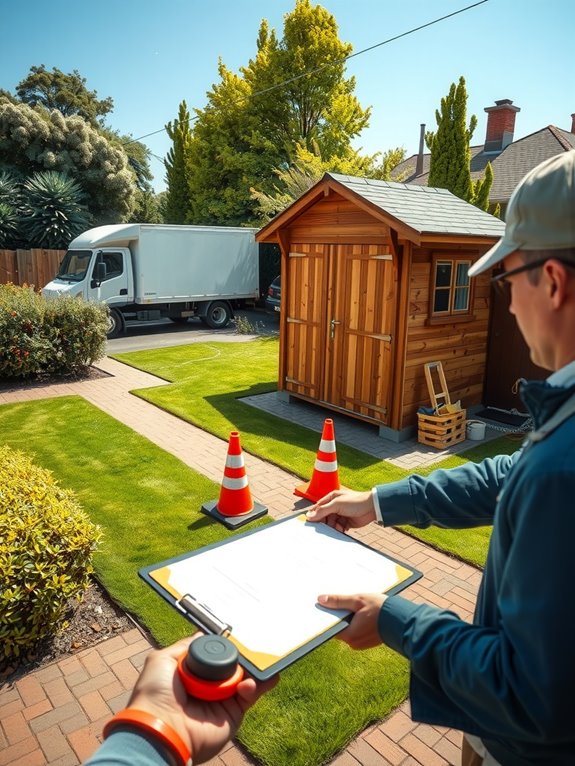
Once your property lines are mapped and zoning rules are confirmed, you need to handle permits and arrange delivery. Contact your local zoning office to finalize your building permit application, particularly if your shed exceeds 100–120 square feet or includes utilities like electricity or plumbing. You’ll need written confirmation that your shed respects front-yard setbacks and any HOA restrictions before delivery day arrives.
Get multiple estimates from licensed contractors who know your area’s building codes well. They understand exactly which inspections you’ll face and can navigate them smoothly. Ask for written documentation that lists all required permits, inspection timelines, and completion dates before you sign anything. This protects you and keeps expectations clear.
Coordinate delivery timing with your contractor so inspections happen promptly after installation is complete. This momentum keeps your project moving forward and gets you compliant faster without unnecessary delays between steps.
Legally Protect Your Investment: Compliance After Installation
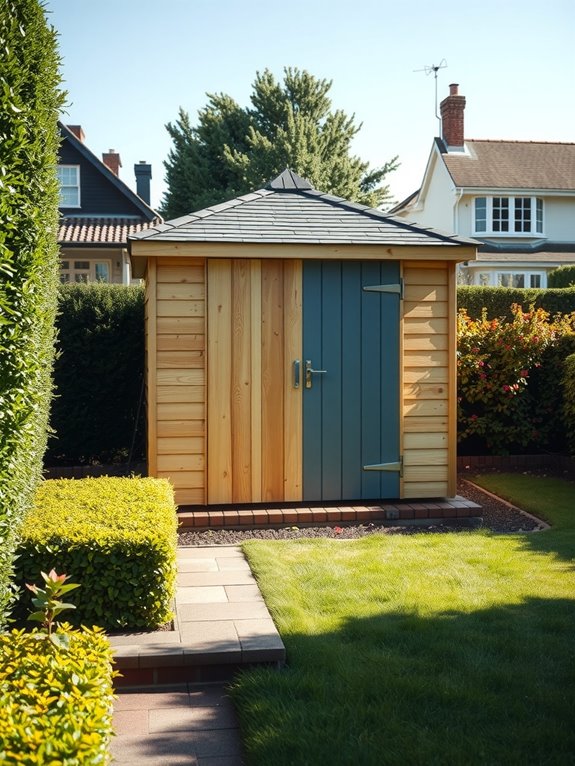
What happens after your shed’s foundation is set and the doors are hung? The paperwork phase starts, and it’s honestly where a lot of people drop the ball. Keep all documentation—permits, inspection reports, and building plans—organized in a dedicated folder, either physical or digital. This paperwork proves you’ve followed local building codes and setbacks, which shields you from future fines or stop-work orders.
Your HOA covenants matter too, especially if your neighborhood has design restrictions. Before installation, you should have confirmed your shed complies with their rules about placement and appearance. If you haven’t already, double-check property easements and utility access lines on your survey to confirm your shed won’t block underground pipes, gas lines, or cable conduits. These utilities typically run 24 to 48 inches underground, so knowing their exact locations prevents costly mistakes.
Store these records for at least 7 to 10 years. When you sell your home, a buyer’s inspector will want to see that permits were pulled and inspections passed. If a neighbor disputes your property line or utility companies need access, having dated documentation and signed inspection reports settles questions quickly. The time you spend organizing now pays dividends later.