

Front yard fences typically max out at 3–4 feet for solid designs, though see-through materials like ornamental iron can reach 6 feet in some jurisdictions. The difference comes down to what your city allows based on safety and sightline concerns. Before you pick up a shovel, you’ll need to dig into three key things: your local height limits, any easements or setbacks marked on your property deed, and permit requirements.
Corner lots get extra scrutiny because they need clear sightlines for traffic safety. If your property sits on a corner, expect stricter rules about how tall and opaque your fence can be. This isn’t bureaucratic busywork—it’s genuinely about keeping drivers and pedestrians safe from hidden hazards.
Pulling permits before construction might feel like red tape, but it’s the difference between a fence that stays put and one you’ll have to tear down at your own expense. A licensed contractor knows the local codes inside and out and handles all the paperwork, which saves you from costly removals and fines. Understanding what your city requires upfront prevents expensive headaches later, so check with your local building department or zoning office first.
How Do You Find Your Exact Property Lines?
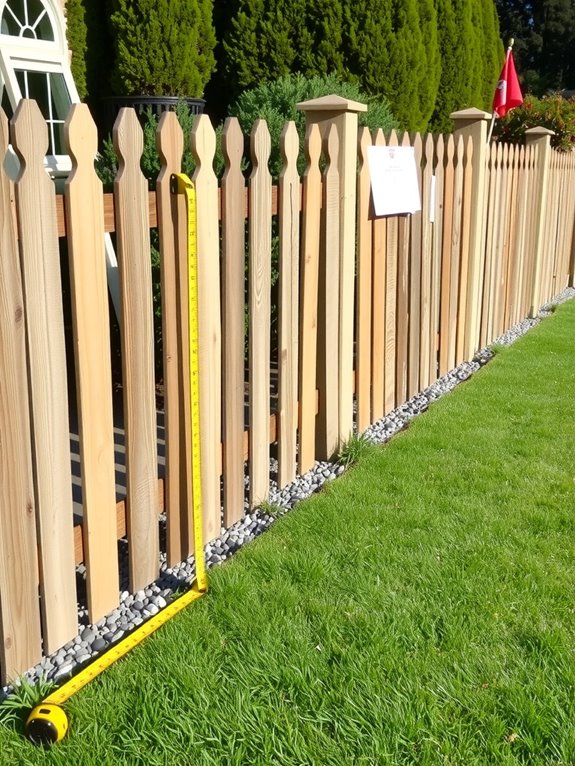
Before you drive a single fence post into the ground, you need to know exactly where your property ends and your neighbor’s begins. Start by pulling out your deed or title report—these documents show your property lines and any easements that might affect where you can build your fence.
Know your property lines before installing fence posts—check your deed, title report, and any easements that affect placement.
Next, contact your local planning or zoning department. They’ll provide official parcel maps and setback requirements specific to your address. Setbacks are those required distances—typically 5 to 10 feet depending on your location—that keep fences back from the property line.
If you’re still uncertain after reviewing these documents, a licensed surveyor is your next step. They’ll perform line-staking service, physically locating corners and boundary marks right on your property with stakes or paint marks. This hands-on work takes the guesswork out of placement.
Getting a certified survey map (CSM) gives you solid documentation to show neighbors or submit with permit applications. A CSM costs between $300 and $1,000 depending on your property size and location complexity, but having that paper proof prevents costly fence-repositioning mistakes down the road. The investment upfront beats arguing with neighbors or dealing with removal later.
What’s Blocking Your Fence? Easements and Utilities
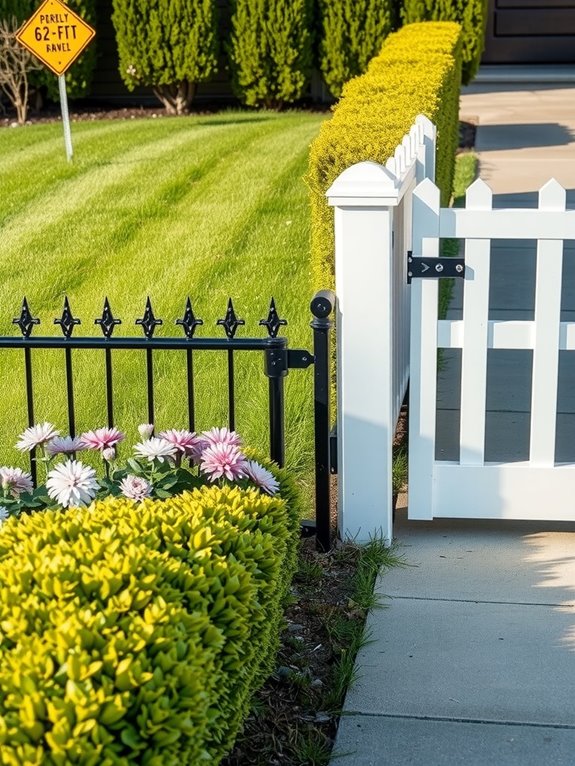
Before you plant that 6-foot fence in your yard, you’ll need to dig into what’s literally hiding beneath the surface. Underground utility lines, drainage systems, and easement corridors can quietly derail your whole project if you miss them. Your property plat, title report, and utility locate documents are your best friends here—they show you these invisible boundaries that exist whether you can see them or not.
Ignoring these hidden systems can get expensive fast. You might face costly relocations, forced fence removal, or worse, accidentally hitting a live electrical line or gas pipe. That’s not a repair bill you want to face after you’ve already sunk time and money into digging holes and setting posts.
Here’s the practical move: call your city planning department and utilities company before you break ground. Ask them specifically about what runs under your property and where easement corridors sit. Getting their clearance now takes maybe a phone call or two, but it saves you from serious headaches later. Many utility companies will even mark lines for free when you call them ahead of time. That’s far better than discovering problems once your fence is partially installed and you’re stuck having to tear it out and start over.
Identifying Underground Utilities
What’s lurking beneath your front garden might surprise you—and it’s absolutely necessary to know before you dig that first post hole. Underground utilities like electrical lines, gas pipes, and water mains run beneath most properties, and striking one can be dangerous and costly.
Before you pull any permits, contact your local utility notification service at least 48–72 hours ahead. They’ll mark where lines run so you can plan your fence accordingly. This step protects you legally and keeps your family safe.
Request a recent survey or plat map showing utility locations relative to your fence line. Many jurisdictions require specific setbacks from underground utilities—sometimes you can’t place posts directly over lines. The distance varies by location and utility type, so check with your local building department for exact requirements.
Getting this right from the start prevents expensive mistakes and headaches down the road.
Easement Rights And Restrictions
Once you’ve marked those underground utilities, you’ll need to dig deeper—literally and figuratively—into easements. These legal agreements grant utility companies or municipalities the right to access your property for maintenance and repairs. Think of them as invisible boundaries that quietly shape what you can and can’t build.
Your property’s plat or title report will show you exactly where easements sit and how wide they stretch. You’ll find out their purpose too, whether that’s drainage, gas lines, or electrical access. Most easements range from 10 to 20 feet wide, though some can be narrower or broader depending on what runs through them.
Here’s where fencing gets tricky: most jurisdictions flatly prohibit fences directly within easement areas because they block necessary maintenance work. However, some municipalities will let you fence inside easements if you get written permission from the easement holder first. Others require strict setback distances, meaning your 6-foot vinyl or wood fence must sit several feet back from the easement boundary—sometimes 5 to 10 feet depending on local rules.
Before you finalize your fence design, contact your local planning department or the utility authority that holds the easement. They’ll confirm what restrictions apply to your specific property and help you figure out exactly where your fence can legally go. This step prevents costly mistakes and keeps your fence from becoming an obstacle to future maintenance work.
Front Yard Fence Height: What Your City Allows
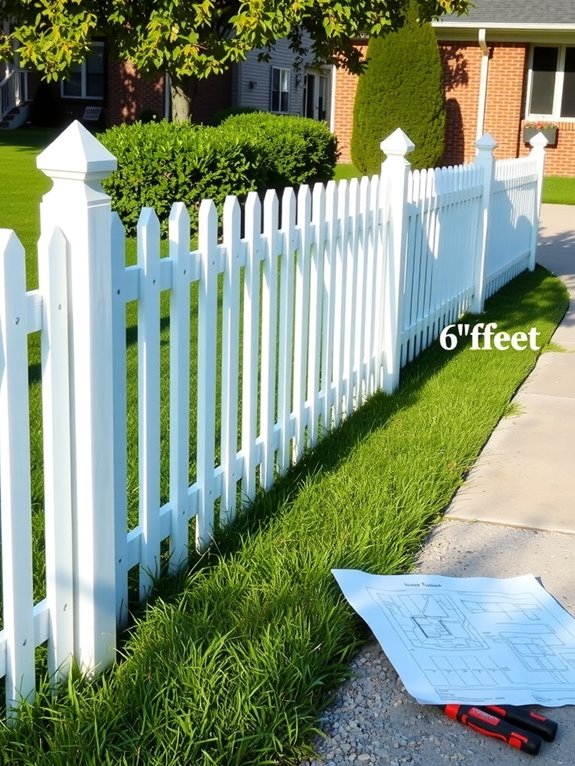
Most cities cap front yard fences at 3 to 4 feet for solid designs, though ornamental iron or wrought iron might stretch to 6 feet depending on what your local code allows. See-through styles like chain link or decorative metal typically get more height flexibility because they preserve sightlines for drivers and pedestrians. Safety matters, which is why municipalities generally favor designs that don’t completely block views.
Before you dig a single post hole, contact your local planning department. Height limits and approved materials vary wildly between neighborhoods and counties, so what works two blocks over might not fly where you’re building. They can tell you exactly what’s permitted on your property and which materials pass inspection in your area.
Understanding Maximum Height Limits
How high can you actually build that fence you’re imagining? Most cities cap front yard fence height at 3 to 4 feet when using solid designs. This is the standard across many neighborhoods. Some jurisdictions will let you go up to 6 feet if you choose see-through materials like ornamental iron or decorative metal, though you’ll need to maintain clear sightlines from the street.
Your property’s location makes a real difference in what’s allowed. Corner lots and properties directly facing the street face stricter regulations compared to side yards. Chain link fences are increasingly restricted or banned outright in front areas because they don’t provide the aesthetic appearance cities prefer.
Before you finalize your fence plans, check your city’s zoning codes and any HOA rules that apply to your property. Height allowances vary significantly depending on where you live, so verification isn’t something you can skip. The specific regulations in your area will determine whether you’re working with 3 feet, 4 feet, 6 feet, or something different entirely.
Material And Style Exceptions
Now that you know your city’s baseline height restrictions, the material you choose can actually work in your favor—or against it. Ornamental iron fences often get special treatment in front yard zoning codes because they maintain open sightlines while looking intentional and attractive. Many cities permit ornamental iron designs to reach 6 feet—the full height you’re after—whereas solid wood or vinyl privacy fences typically cap out around 3-4 feet.
The reason cities favor these open designs comes down to safety and sight lines. Planners worry that solid barriers block visibility for pedestrians and drivers, creating potential hazards at property lines and intersections. Ornamental iron and wrought iron designs solve this problem by letting light and views pass through while still giving your yard a finished, intentional appearance.
Chain link has become increasingly restricted in front yards, which is worth knowing before you order materials. Your best bet involves choosing decorative materials that feel substantial without blocking views entirely. Open-design panels made from wrought iron or ornamental iron satisfy both the aesthetic preferences and safety requirements that city planners actually care about.
Check your specific ordinances first, but these elegant options frequently allow that extra height you’re seeking. The visual weight of ornamental iron comes from the design itself rather than solid coverage, which is why it gets this favorable treatment in most zoning codes.
Visibility And Safety Regulations
Why do cities care so much about what they can see through your front yard fence? Safety, plain and simple. Your municipality requires clear sightlines at corners and driveways because hidden visibility causes accidents. You’ll need to understand these regulations before installing that 6-foot fence you’re envisioning.
Most cities mandate see-through or open-face styles for front yards, which means chain link often gets restricted or prohibited entirely. Here’s the thing: solid barriers block drivers’ views of pedestrians and oncoming traffic, which is why these rules exist in the first place. Corner lots face stricter requirements since you can’t obstruct sightlines where streets intersect. Many municipalities specify that visibility must extend at least 10 to 15 feet from the corner in all directions.
The practical step is verifying your exact address’s regulations through your city planning department. They’ll detail the setback distances—typically measured from your property line to the fence—and visibility rules specific to your property. This prevents costly removals later. Your front yard fence needs both beauty and responsibility, which means checking before you dig that first post hole.
Approved Materials in Front Yards (and What’s Banned)
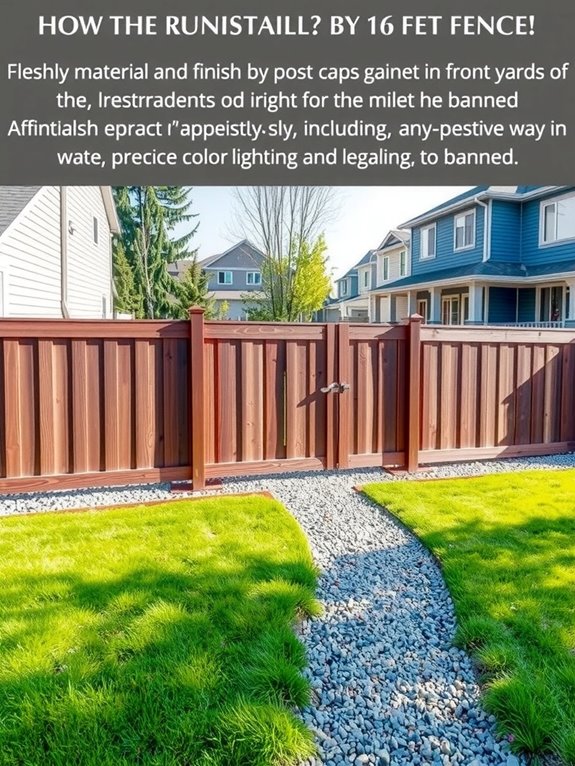
Before you pick up a hammer or call a contractor, take a moment to check what your city actually allows. Your front-yard setback rules and fence height limits will shape which materials work for your space.
Ornamental iron gets approved in most places because it reaches that 6-foot height that many neighborhoods permit. Wood and vinyl fencing also show up on approval lists regularly, giving you decent privacy while keeping your yard looking intentional rather than fortress-like. Decorative metal panels, brick columns, and plant hedges round out the materials that typically sail through planning reviews.
Here’s what tends to get rejected: chain link increasingly faces bans in front yards across different jurisdictions, mainly because planners consider it less polished. Concrete and masonry walls usually max out at 2 to 4 feet unless you jump through the special permit process, which takes time and money. Anything taller than that threshold generally requires city approval you might not get.
The practical move is contacting your city planning department and pulling up your HOA covenants before you order anything. Different neighborhoods have wildly different rules, and what works three blocks over might not work on your street. That 15 minutes of research beats ordering materials only to face a removal order from the city later on.
Corner Lots: Extra Visibility Rules You Need to Know
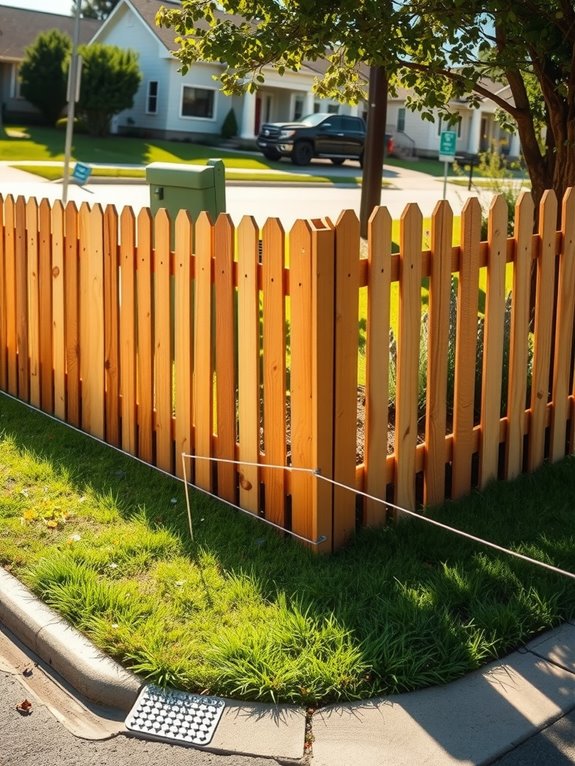
If your property sits on a corner, you’re dealing with a whole different set of visibility rules than your neighbors down the block. Your fence situation gets noticeably more complicated because sight lines matter to traffic safety and pedestrian movement.
Corner lots have specific protection zones you need to understand. The clearest rule is the clear-view triangle, which extends 10 feet along each street-facing property line at the corner intersection. Think of it as an invisible wedge of space where nothing tall can block a driver’s view or a pedestrian’s path. This is why corner fences need careful planning from the start.
Height restrictions reflect safety concerns more than aesthetics. You’ll typically find 4-foot caps in front-yard areas, though some jurisdictions allow 6-foot ornamental iron if it’s see-through—meaning the fence has gaps or openings that let visibility pass through. The reasoning is straightforward: a solid barrier blocks sightlines, but open-pattern materials like wrought iron or slatted designs preserve the view while still marking your property boundary.
Sightline restrictions usually extend 20 to 30 feet from the corner along both streets. This deeper zone protects drivers taking the turn and pedestrians crossing nearby. Some materials work better here than others—low hedges under 4 feet, split-rail fencing, or post-and-wire configurations all maintain sight lines while defining your space.
Local rules vary enough that what works in one city might violate ordinances in another. One municipality might allow vinyl privacy fencing on side yards but require open designs at corners, while a neighboring town has completely different standards. Checking your specific municipal code before you sketch anything out saves headaches and money later on.
Get a permit before installing anything. The few hours spent confirming compliance upfront beats discovering violations after you’ve already built.
Does a Retaining Wall Change Your Height Limit?
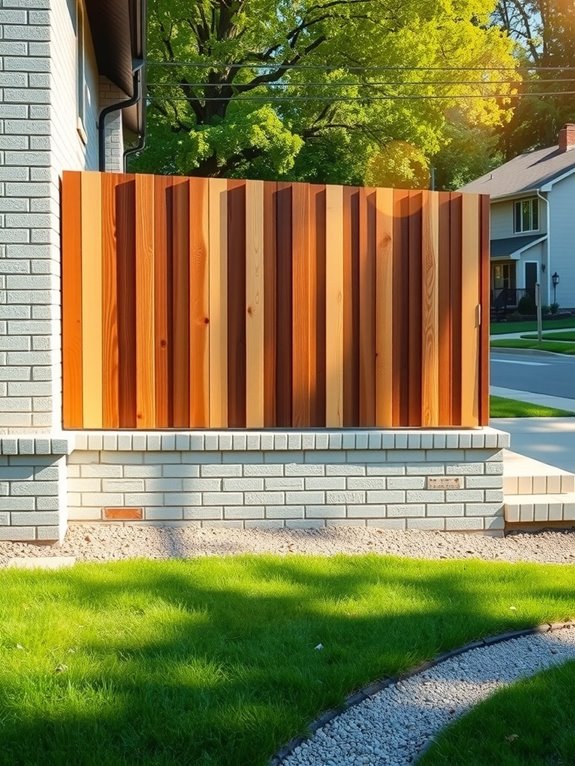
A retaining wall can absolutely shift how your local code measures your fence’s height. Different jurisdictions measure differently, so what works in one town might not work in another.
Some calculate from the wall’s top surface, while others measure from natural ground level. This distinction matters more than you might think. A 4-foot retaining wall could mean your 6-foot fence counts as 10 feet tall—or it stays at 6 feet, depending on your local rules.
| Measurement Method | Starts From | Your 6ft Fence Counts As |
|---|---|---|
| Ground level only | Natural soil | 6 feet |
| Wall’s top surface | Retaining wall | 10 feet (if wall is 4ft) |
| Wall’s base | Below wall | 6 feet |
Here’s the practical part: you’ll still need setback distances from property lines and visibility clearances for driveways and intersections. The retaining wall doesn’t get you around those requirements. Before you finalize any plans, contact your local planning department directly. They can tell you exactly how your specific retaining wall affects your fence height limit and what other regulations apply to your property.
Look Up Your City’s Specific Fence Zoning Rules
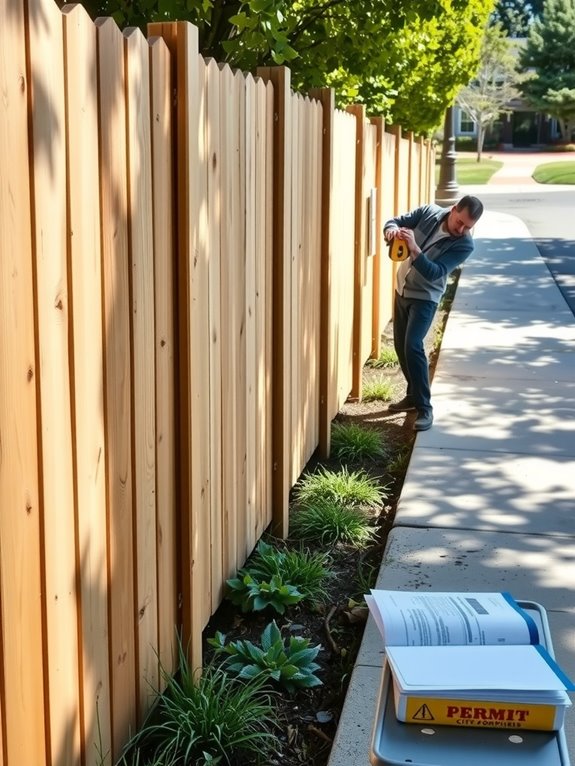
Now that you’ve figured out how your retaining wall plays into the height equation, it’s time to check what your city actually allows—because that 6-foot fence you’re picturing might hit a wall of its own.
Every municipality sets its own fence height limits and material restrictions. You’ll need to dig into your local zoning ordinances before you commit to anything.
Every municipality sets its own fence height limits and material restrictions—check local zoning ordinances before you commit.
Contact your city planning department directly. They’ll tell you the exact fence height permitted in front yards, which often differs from backyard rules. While you’re at it, ask about material restrictions since chain link and solid privacy fences frequently face stricter guidelines than picket or post-and-rail styles.
Setback requirements deserve attention too. These rules determine how far your fence must sit from the property line—sometimes it’s 5 feet, sometimes 10 feet, depending on where you live. Request specific building permit information and application procedures for your area since the paperwork varies significantly from place to place.
Getting this information upfront saves you headaches and potential fines down the road.
Your Permit Path: Steps to Getting Legal Approval
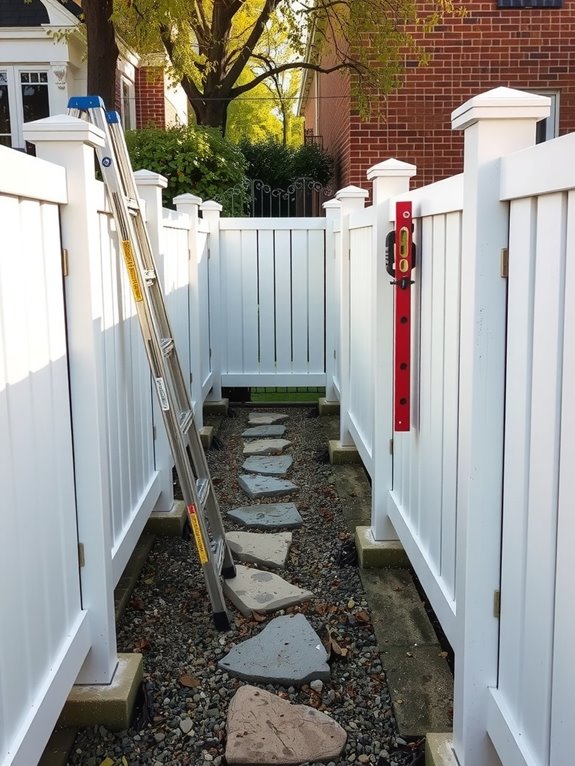
Once you’ve confirmed your city’s height limits and setback rules, the real work begins—getting official permission before you drive a single post into the ground.
| Permit Step | What You’ll Need |
|---|---|
| Zoning Application | Property survey, owner info, fence plans |
| Building Permit | Licensed contractor details if required |
| Design Submission | Height, materials, setback measurements |
| HOA Approval | Neighborhood guidelines documentation |
| Final Inspection | Completed fence for verification |
You’ll submit both zoning and building permit applications to your local department. Your property survey should clearly show where your lines sit, and your detailed plans need to indicate exactly where that 6-foot front yard fence will go. List your materials—vinyl, wood, or whatever you’ve chosen—with specifics about gauge, thickness, or brand if possible. Many places require a licensed contractor’s involvement, so check first. Then comes the part people often skip: HOA approval. Your homeowners association typically has stricter rules than city code allows, and they’ll want documentation of their neighborhood guidelines. Skip this step and you’re looking at fines and removal orders down the line. It’s worth a phone call or two now rather than a headache later.
What Happens During Inspection?
When your inspection day arrives, you’re in the home stretch. The inspector will verify that your 6-foot fence matches your approved permit exactly, measuring setbacks from property lines and confirming height compliance with local codes. They’re looking for three main things: whether your fence sits entirely on your property without straying onto your neighbor’s land or public right-of-way, whether materials and construction meet code requirements, and whether all hardware and gates function safely.
Here’s what gets the close examination:
Location and boundaries, height and materials, gate hardware, and slope configurations all receive close inspector scrutiny during fence approval.
Location and boundaries are checked first. The inspector measures distances from your fence to the property lines, comparing these measurements against your approved plans. Even small errors matter here—a fence that creeps six inches onto your neighbor’s lot creates a real problem.
Height and materials come next. They’ll measure from ground level to the top rail, checking against your local code limits. If you used wood, vinyl, metal, or composite materials, those need to match what your permit approved. Different neighborhoods sometimes allow different materials, so compliance here keeps everyone happy.
Gate hardware and functionality get tested too. Hinges should be secure, latches should work smoothly, and nothing should be loose or broken. Gates that sag or don’t close properly can fail inspection.
Slope configurations matter especially on corner lots where visibility matters for safety. The inspector checks that your fence design doesn’t block sightlines for drivers approaching the intersection.
If everything checks out, you’re finished. If not, you’ll need to make modifications, pull additional permits, or face fines. Most inspectors genuinely appreciate when property owners show up prepared and ready to talk through their work.
Hire a Licensed Contractor to Ensure Compliance
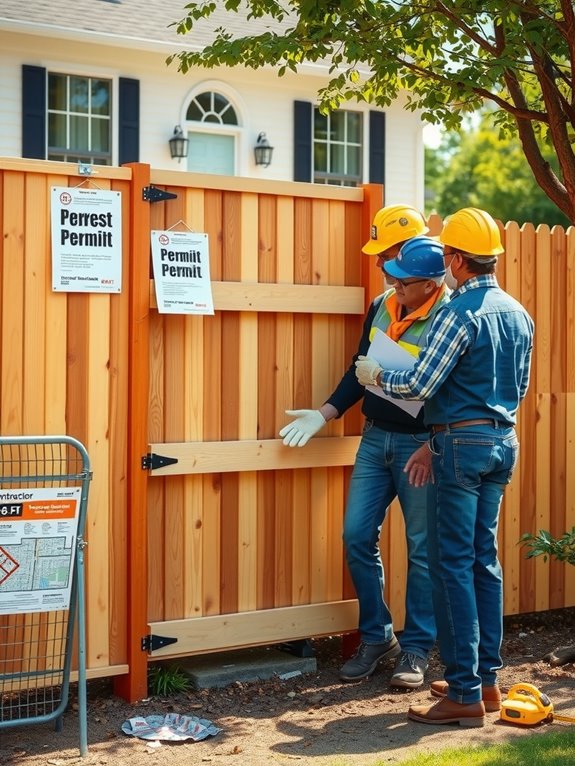
After you’ve passed inspection, the relief is real—but getting there solo is where most DIYers run into trouble. A licensed contractor serves as your safety net for navigating the rulebook that local building departments actually enforce.
They’ll handle the groundwork before any digging happens. Your contractor verifies property lines, identifies easements, and checks corner-lot sightline restrictions that might affect your fence placement. They pull permits and manage the paperwork that keeps you from facing surprise fines or having to tear down and rebuild later.
Your contractor also prepares detailed plans that spell out your 6-foot fence height, setback distances from property lines, and specific hardware like self-closing gate hinges. They coordinate directly with your local building department to confirm everything aligns with zoning rules for your neighborhood or district.
Think of them as the person who catches problems during the planning stage rather than after the posts are already in the ground. You’re paying for the peace of mind that comes from knowing your fence actually meets code and won’t need expensive fixes down the road.
Permit Mistakes That Trigger Fines
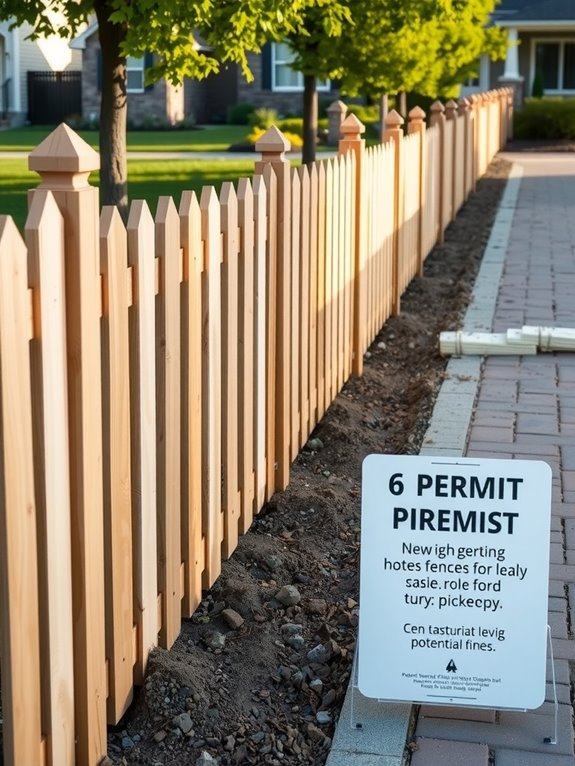
Skipping permits or filling them out wrong is where fence dreams turn into expensive nightmares. You’ll face permit fines that sting your wallet and the frustrating task of tearing down your six-foot fence before you’ve even enjoyed it.
Missing the permit entirely means you’re looking at fines plus forced removal of your completed fence. Your local building department doesn’t mess around here, and the costs add up fast.
Inaccurate site plans cause real problems down the line. Vague measurements like “somewhere around 10 feet from the property line” delay approvals and trigger costly additional inspections. The inspector needs exact numbers—measure twice, write it down clearly, and mark your property lines with spray paint so there’s no confusion later.
Height violations in front yards happen more often than you’d think. Most communities allow four feet in the front yard but six feet in the backyard due to sight-distance restrictions. Submit plans that show your proposed fence height and setback distance to avoid enforcement actions and modifications after installation.
Submitting incomplete applications extends timelines and fees. Missing material specs (like whether you’re using pressure-treated pine, vinyl, or composite boards) or unclear property line details forces the building department to send you back for revisions. Fill out every line on the form, attach clear diagrams, and include the material manufacturer names and specifications upfront.
Getting your fence permit right from the start protects your investment and keeps things smooth with your community.
Timeline: How Long Until Your Fence Is Approved?
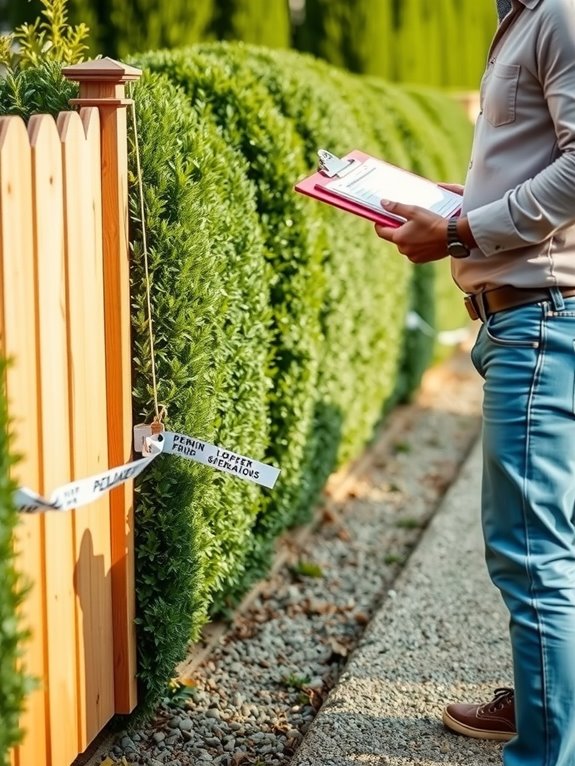
Once you’ve submitted your permit application, plan for a typical 1–4 week review period before you get initial approval. Your exact timeline really depends on where you live, since different jurisdictions move at different speeds. Some areas will rubber-stamp your application in about 10 days, while others take closer to a month. If your plans need revisions or if a public hearing gets scheduled, you’re looking at extra time on top of that baseline.
The key to speeding things up is knowing your local requirements before you submit anything. Each jurisdiction has its own standards for setback distances (usually 5–10 feet from property lines), height limits (often 6–8 feet for residential fences), and material restrictions. Spend a day calling your local building department or checking their website to dig up these specifics. That upfront work beats spending weeks playing catch-up after an incomplete submission gets rejected.
Permit Application Processing
How long will you actually wait for that fence permit?
Processing times shift depending on where you live and how complicated your project gets. Most cities want both a Zoning Permit and Building Permit, which means dealing with separate departments that don’t always talk to each other. Here’s the typical flow.
You’ll start by submitting detailed plans that show your 6-foot fence height, what materials you’re using, and exactly where your property line sits. The zoning department checks setback requirements—basically how far back from the street or property edge your fence needs to be—then approves your Zoning Permit for around $50. After that, the building department digs into the structural details, checking things like post depth and material thickness, to issue your Building Permit for roughly $139. Finally, an inspector swings by to make sure your fence won’t creep onto public sidewalks or your neighbor’s land.
Hiring a licensed professional can speed things along considerably. Masonry or concrete fences often get extra scrutiny because they’re heavier and more permanent, which can stretch your timeline. Most straightforward approvals land somewhere between 2 and 4 weeks, though anything with complications might take considerably longer.
Timeline Variations By Location
Where you live shapes your fence permit timeline in ways that might surprise you. Some jurisdictions zip through approvals in just days, while others take several months to review everything. Your specific timeline depends on how busy your local department is, how complete your plans are, and whether your property needs extra attention for safety or visibility reasons.
| Location Type | Typical Timeline | Key Factors |
|---|---|---|
| Urban/High-Volume | 4–12 weeks | Heavy workload, thorough reviews |
| Suburban | 2–6 weeks | Moderate processing, standard checks |
| Rural | 1–4 weeks | Lighter caseload, fewer restrictions |
| Corner Lots | 6–16 weeks | Sightline and setback reviews |
Corner lots and front-yard fences get special treatment in most places because they affect traffic safety and neighborhood sightlines. Your local code probably requires fences on these spots to be lower—often 3 to 4 feet maximum—and set back from property lines at specific distances, like 10 or 15 feet depending on your area. These stricter height and sightline compliance checks add real processing time to your application.
Some communities will approve straightforward plans the same day you submit them, while others demand formal public notice to neighbors before they’ll sign off. A few jurisdictions even require public hearings for certain fence types or locations. Knowing what your specific jurisdiction actually requires lets you plan a realistic timeline and sidestep the frustration of unexpected delays.
Final Approval: What You’ll Need to Prove

You’re nearly there—but before your 6-foot fence stands in its final form, your local building department will want solid proof that you’ve followed all the rules.
To get final approval locked in, you’ll need to gather documentation across several key areas:
- Site plan or survey showing exactly where your fence sits relative to your property lines, any easements, and the street edge, complete with precise measurements
- Material specifications that confirm your ornamental iron or other approved design meets local height limits for front yards
- Elevation changes documenting how your terrain slopes and affects sightlines from neighboring properties
- Design compliance proving your fence satisfies any special requirements like see-through sections or adjustments for corner lots
When the inspector visits, they’ll compare your actual installation against the approved plans side by side. Nothing should creep onto the public right-of-way or spill onto your neighbor’s land. They’re looking for exact matches—your fence materials, height, placement, and any special details need to align with what you submitted and got approved beforehand.