

You can grow a hedge up to 2 metres high in your UK front garden without needing planning permission. That’s the standard limit for most properties, and it gives you plenty of room to work with. However, if your hedge sits near a road or footpath, the allowable height drops to 1 metre. This lower limit exists because taller hedges can block sightlines for drivers and pedestrians, creating genuine safety concerns.
Things get more complicated if you live in a conservation area or your property deed includes covenants. These restrictions often impose stricter height limits than the general rules, sometimes as low as half a metre in certain cases. Check your local council’s website or review your property deed before planting anything substantial, since enforcement can result in fines or orders to remove the hedge entirely.
Anything taller than 2 metres—or whatever your local limit allows—technically requires planning permission. Getting approval isn’t always difficult, but the council will assess factors like whether the hedge blocks light from neighbouring properties or creates drainage problems. Rejected applications can leave you in an awkward position, so it’s worth a quick conversation with your planning department if you’re considering something ambitious.
Keeping your hedge trimmed two or three times per year prevents most neighbourhood disputes and keeps growth manageable. Regular cuts stop hedges from becoming overgrown monsters that eventually attract enforcement action. Trimming sessions of 30 to 45 minutes, spread across the growing season from May through September, maintain neat edges and healthy branch structure without excessive effort.
Is There a Legal Maximum Height for Hedges in a UK Front Garden?
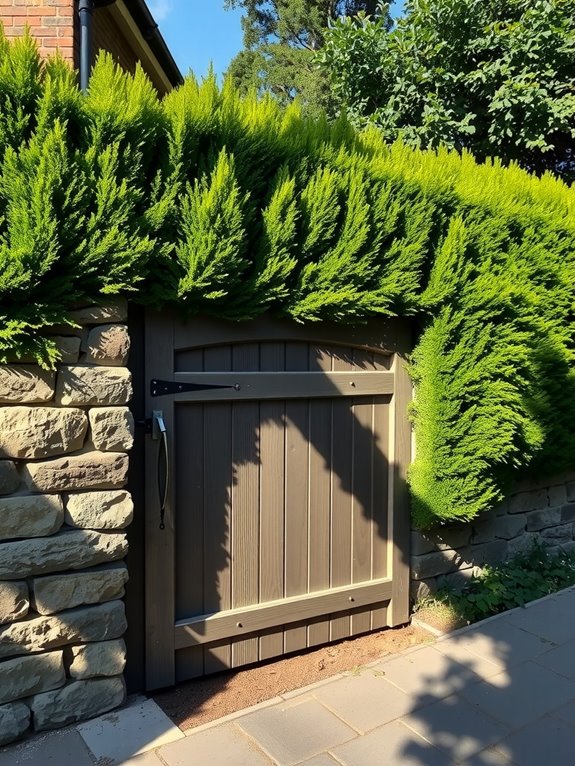
So, how tall can your hedge actually grow? The truth might surprise you—there’s no blanket legal maximum for UK front garden hedges. However, local planning rules do step in when your hedge sits near a highway.
You’ll typically stay safe keeping it under 2 metres without needing permission. But here’s the catch: if your hedge borders a road, the limit drops to 1 metre. Anything taller than that requires approval from your local planning authority. Beyond these guidelines, other restrictions might apply too—think conservation area rules or conditions attached to your property deed.
Most people keep hedges around 2 metres, which respects neighbors, maintains sightlines, and keeps disputes from brewing. Before you plant or trim, check your local planning regulations first. They’re worth understanding, and a quick call to your council takes the guesswork out of the equation. You might find that your specific street or neighborhood has its own quirks worth knowing about upfront.
The 2-Metre Rule: What You Can Grow Without Permission
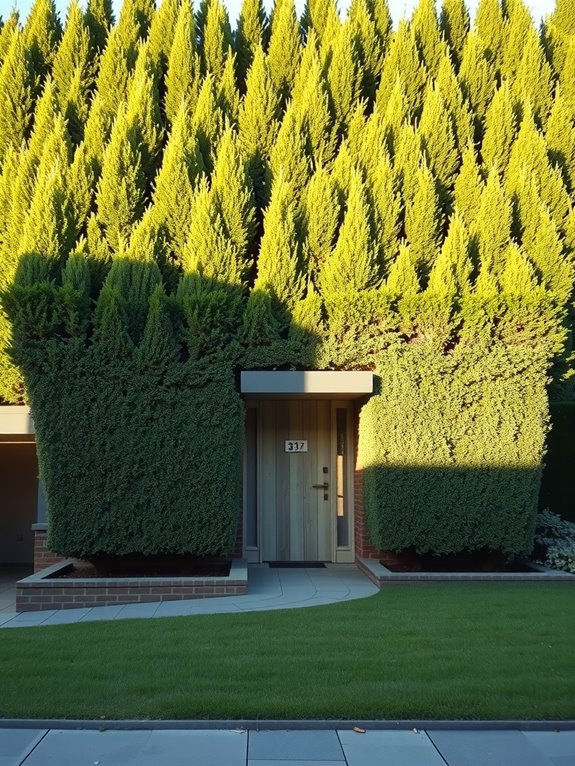
Now let’s focus on the practical side: what you can actually plant and grow without jumping through planning hoops.
You’re in luck. You can grow hedges up to 2 metres high—roughly 6.5 feet—in your front garden without needing planning permission. That height gives you real privacy and visual impact while keeping things reasonable for everyone around you. The rule works because it balances three interests at once: you get genuine screening, your neighbours keep their sightlines and safety, and local councils aren’t buried under endless permission requests.
You can grow hedges up to 2 metres high in your front garden without planning permission—genuine screening that balances your privacy with neighbours’ safety.
However, the rule tightens near roads and footpaths. If your hedge sits adjacent to a highway or footpath, the height limit drops to 1 metre. This protects driver visibility and keeps pedestrians safe. It’s less about bureaucracy and more about shared responsibility. You’re protecting your neighbourhood while still enjoying reasonable green boundaries.
Planning permission becomes necessary only when you exceed these sensible limits. Anything taller than 2 metres in front gardens or 1 metre near roads and paths requires formal approval. The logic is straightforward: taller hedges genuinely obstruct sightlines and create safety risks that affect everyone using the area. Rather than fighting the system, staying within these heights lets you plant and grow without delays or paperwork.
Lower Limits Apply Near Roads and Footpaths
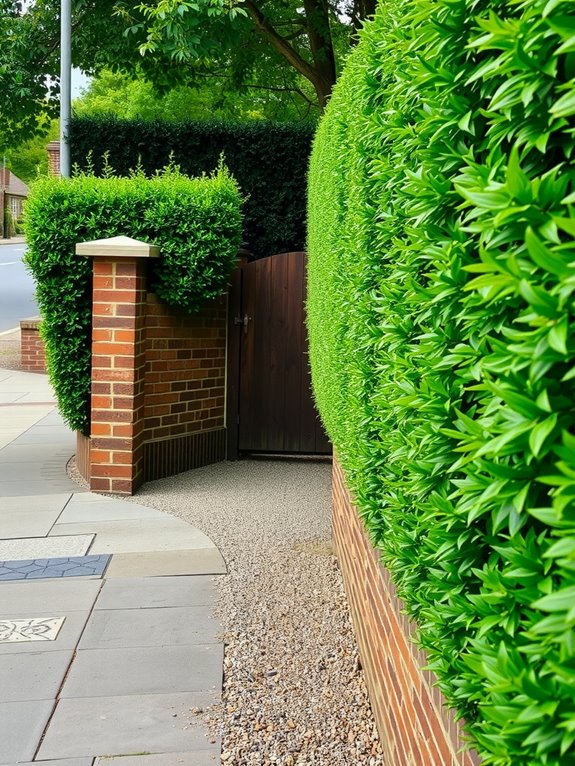
When your hedge grows next to a highway, footpath, or bridleway, the legal height limit drops from 2 metres down to 1 metre. This stricter rule exists for a straightforward reason: drivers, cyclists, and pedestrians need clear sightlines to spot hazards ahead. An overgrown hedge blocking these views becomes a real safety problem, not just an eyesore.
Let your hedge creep beyond that 1-metre mark near roads, and you’re likely to hear from your local council. They’ll issue remedial notices requiring you to cut it back, and ignoring those notices can lead to the council doing the work themselves and sending you the bill. It’s simpler and cheaper to keep things trimmed in the first place.
The 1-metre measurement applies from ground level up, measured from the edge of the road or path itself. If your property line sits several feet back from the pavement, you still need to account for any growth that extends into that clear zone. Think of it this way: someone standing on the road or path should be able to see around your hedge without stepping into traffic or vegetation.
Visibility and Road Safety
What happens when your beautiful hedge starts blocking sightlines? You’re creating a genuine safety hazard that affects your entire community. Let me walk you through what actually matters here.
Drivers need clear views at intersections, and hedges taller than 1 metre obstruct those critical sightlines where it counts most. Pedestrians and cyclists depend on visibility to spot oncoming traffic safely. Emergency vehicles require unobstructed access and clear road sightlines to respond quickly when seconds matter. Your neighbours count on responsible hedge height to protect their families.
The 1-metre limit isn’t random bureaucracy. It’s designed specifically for highways, footpaths, and bridleways where visibility genuinely affects safety. When your hedge approaches that height near roads, you’re weighing aesthetics against the ability for people to see each other coming. Planning permission exists for exactly this reason.
Highway Adjacent Height Restrictions
So you’ve got a nice hedge running alongside your property, but it’s creeping closer to the road or footpath. This is where the rules get stricter. If your hedge sits adjacent to a highway—whether that’s a major road, footpath, or bridleway—you’re looking at a 1-metre (3.3 feet) height limit without planning permission.
That’s pretty compact, honestly. The restriction exists for solid reasons: protecting visibility for drivers and pedestrians, and keeping road users safe. Anything taller than that metre mark typically requires local council approval before you plant or maintain it.
Even if you’ve had an established hedge for years, significant changes near highways often need permission. It’s worth checking with your local authority about your specific situation. They’ll walk you through what’s permitted on your property and whether your hedge needs adjustment or formal approval. Call them up or visit their website—most councils have straightforward guidance about hedgerow regulations in your area.
When Planning Permission Becomes Necessary
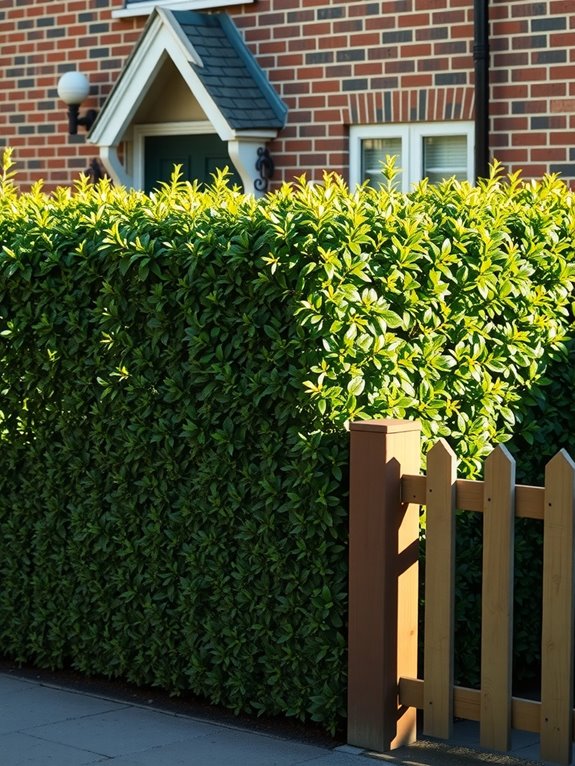
Although you might think you’re free to grow your hedge as tall as you’d like, the reality’s a bit more nuanced. Planning permission becomes necessary when your hedge height exceeds local limits, and understanding when exactly that happens keeps you on the right side of regulations.
You’ll need planning permission if your hedge surpasses 2 metres in front gardens or along boundaries adjoining highways. If your hedge sits adjacent to a highway where visibility matters, the limit drops to 1 metre. Properties within conservation areas face stricter regulations that vary by location. Your property deed might also contain covenants specifying size restrictions you’d unknowingly violate by letting your hedge grow unchecked.
Before trimming or planting, contact your local council directly. They’ll clarify whether your hedge height situation requires consent. Getting this sorted upfront saves headaches later and keeps you compliant with local regulations.
Conservation Areas and TPOs: Extra Limits
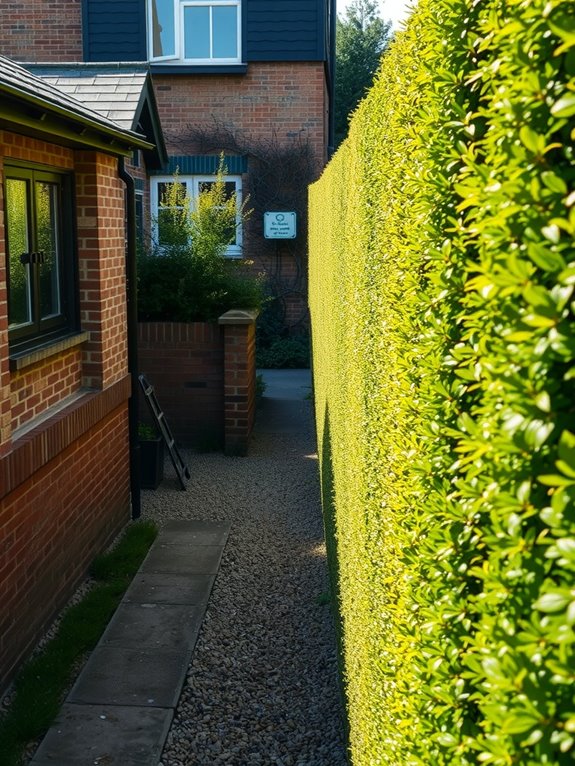
Living in a conservation area or near a Tree Preservation Order (TPO) means your hedge maintenance follows a different rulebook than standard neighborhoods. Your local council will enforce stricter restrictions that often cap hedge heights lower than the typical 2 meters permitted elsewhere. Before you prune a single branch, you’ll need to check with your council—there’s no way around this step.
Trees within your hedge might carry TPO protection, which means you can’t cut them without written permission from your local authority. Planning conditions tied to conservation areas frequently require hedges to maintain specific heights, typically between 1 to 1.5 meters, or preserve particular features like hawthorn or beech species. Deed covenants can also impose their own restrictions that override what your council normally allows in your area.
The practical reality is that conservation areas and TPOs add extra layers of oversight. What you could legally trim in a neighboring area might require permission in yours. A quick phone call to your local planning department takes 10 minutes and saves you from costly fines or having to replant what you’ve removed. They’ll tell you exactly what heights are allowed, which species you can cut, and whether you need formal approval before touching anything.
Deed Restrictions on Hedge Height
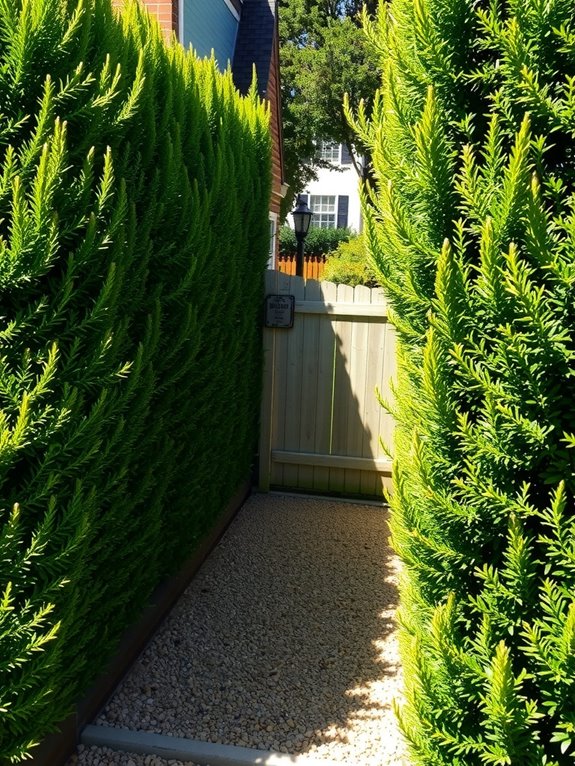
Your property deed might contain covenants that restrict hedge height independently of planning rules, potentially capping growth at 4 feet, 6 feet, or another specific measurement regardless of what local authorities permit. Before planting or expanding hedges, check your title deeds carefully—these restrictions bind current and future owners, not just the original signers.
Deed covenants work differently than planning regulations. A local authority might allow a 7-foot privet hedge, but your deed could cap it at 5 feet. This restriction stays attached to your property through ownership changes, which means you can’t simply ignore it when you sell. Violating a covenant opens the door to enforcement action from whoever holds the benefit of that restriction—often neighboring property owners.
The practical reason these restrictions exist usually involves sight lines, privacy balancing, or maintaining a neighborhood’s character. A covenant limiting hedges to 6 feet might protect a neighbor’s view while still giving you decent screening. Understanding the reasoning behind your specific restriction helps you work with it rather than against it.
When you discover a problematic covenant, you have a few options. You can apply to your local authority for modification or discharge of the restriction, though this involves paperwork and potentially fees. You can also seek agreement from whoever has the benefit of the covenant—often the neighboring property owner—to release you from it, ideally in writing. Getting this sorted before planting a hawthorn hedge you’ll need to remove later makes considerably more sense than discovering restrictions after roots establish themselves.
Understanding Property Deed Covenants
What if your property deed contains restrictions you’ve never noticed? You might discover deed covenants that control hedge height, specifications, and maintenance—rules that work independently from general planning guidelines. These private restrictions bind you and all future owners of your property.
Covenants are enforceable by the original neighbors or their successors, which means they can take legal action if you breach them. A neighbor could pursue a court order requiring you to remove or modify your hedge to meet the covenant’s specifications. Before planting or maintaining hedges, you might need written consent from the covenantee—the person or entity holding the right to enforce the covenant.
Violations can get expensive fast. That innocent 8-foot privet hedge might violate a covenant requiring a 4-foot maximum height, landing you in a costly dispute that drains your wallet and your patience. Compliance from day one saves you from enforcement action down the road.
The practical step here is straightforward: examine your deed carefully before you plant anything. Look for language about vegetation, height limits, or maintenance requirements. If you find restrictions, understand them fully. Your neighbors deserve clarity too, and when everyone respects shared boundaries, community relationships tend to run much smoother.
Identifying Hedge Height Restrictions
Now that you understand how covenants work, it’s worth looking closely at the specific height restrictions they place on hedges. Your property deed might contain restrictions that set exact limits on how tall your hedge can grow—and these are often stricter than local planning rules allow. You’ll need to read through your property documents with care, since these restrictions apply to you and to every future owner of your land. Most deeds cap hedges between 3 and 5 feet tall, though some specify even shorter heights.
| Restriction Type | Typical Height | Action Required |
|---|---|---|
| Deed covenant | 3–5 feet | Obtain consent to exceed |
| Breach scenario | Any overgrowth | Modify immediately |
| Professional help | Unclear terms | Consult solicitor |
When the language in your deed feels murky or you can’t quite parse what it’s asking of you, reach out to the land registry or a solicitor. They’ll clarify the exact rules that apply to your property. Getting this detail right matters far more than making an educated guess, especially since ignoring a covenant can lead to real problems down the road.
Enforcing And Modifying Restrictions
So you’re stuck with a hedge that won’t grow tall enough or needs to come down a bit. The good news: you actually have a path forward through your local council.
Your local planning authority handles hedge regulations and can modify restrictions when there’s a legitimate reason. The process is straightforward, though it does require some patience. You’ll start by submitting a written request explaining why you want to change the height limits on your property. Be specific about what you’re trying to accomplish—whether that’s adding privacy, improving sightlines, or addressing a neighbor concern.
The council will look at your situation against Anti-Social Behaviour Act provisions and visibility standards for the area. They might ask for documentation about the hedge’s current condition, measurements, or photos. A site inspection often happens next, where someone comes out to see what you’re working with firsthand. This isn’t a gotcha moment—it’s them gathering real information about whether your request makes sense.
If they approve it, you’ll receive written documentation spelling out exactly what you can do. This might mean a compromise height of 5 feet instead of your requested 6 feet, or permission to trim back to 3 feet in a specific section. Whatever conditions they set, get them in writing and follow them.
The real secret here is calling your local council directly before submitting anything formal. They can tell you upfront whether a request will fly and what adjustments might work better. Most councils genuinely want solutions that keep neighbors satisfied while letting you have the garden setup you need.
What Qualifies as a “High Hedge”?

You can’t just label any row of greenery a “high hedge”—the legal definition has specific requirements that matter for your situation. Let’s break down what actually counts.
First, you need two or more trees or shrubs standing taller than 2 metres (about 6.5 feet). That’s your baseline. Think of it like a fence made of plants—it has to reach a certain height to qualify.
Second, the hedge must be predominantly evergreen or semi-evergreen. Deciduous plants that lose their leaves won’t meet the standard, and neither will bamboo or ivy, even if they grow tall enough. The distinction matters because evergreens provide year-round screening and affect light differently than seasonal plants.
Third—and this is where neighbors come into play—the hedge must actually block light or obstruct someone’s view. A tall green wall sitting on your property means nothing legally unless it impacts how much sunlight reaches a neighbor’s windows or blocks their sightline. This practical impact is what triggers the regulations. Without it, even a 3-metre specimen won’t qualify for high hedge status.
Getting these details right from the start saves you headaches later, especially if disputes arise about what you’re actually growing.
Is Your Hedge Causing a Legal Nuisance?
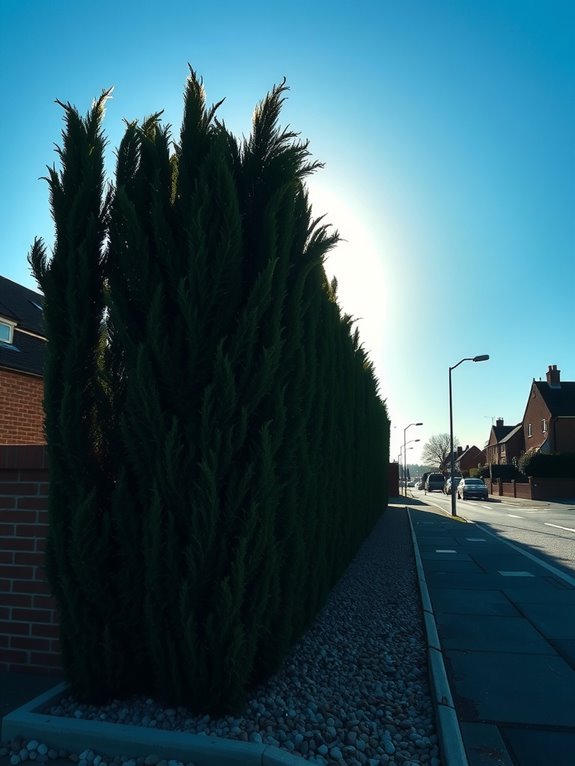
If your hedge grows taller than 2 metres, it might be blocking your neighbour’s light, privacy, or views of their property. This situation can become a legal nuisance that draws council attention. Before any official action happens, have a straightforward conversation with your neighbour about the issue. Keep notes of what you discussed and try working through mediation together—most neighbour disputes settle this way without needing lawyers or officials involved.
If your neighbour files a complaint, the local council can issue a formal reduction order telling you to cut the hedge down. Ignoring this order creates real problems: you’ll face penalties and fines that cost considerably more than simply trimming back your greenery would have. The council takes these orders seriously, so compliance matters financially and legally.
The simplest approach is staying ahead of the problem by maintaining your hedge at reasonable heights from the start. Regular trimming every couple of years keeps growth under control and prevents disputes altogether. If you’re uncertain whether your hedge crosses into nuisance territory, asking your neighbour directly about any concerns they have shows good faith and often stops problems before they escalate to council involvement.
Neighbour Complaint Process
When a neighbor’s complaint about your hedge lands on your doorstep, take a breath—you have several options before this moves to the council level. Understanding how the complaint process works gives you the advantage of knowing what to expect and when to act.
Start by gathering and organizing every piece of communication related to your hedge. Keep emails, letters, photographs, and any notes from conversations in one place as documentation of your good-faith efforts. This paper trail matters later if things do escalate formally.
Next, try talking directly with your neighbor about their concerns. These honest conversations often work better than people expect, especially when you ask specifically what bothers them—whether it’s blocked sunlight, loss of view, or shade covering their garden. Most disputes settle at this stage when both sides actually listen to each other.
If direct conversation stalls or feels uncomfortable, consider bringing in a mediator. An independent facilitator can guide you both toward solutions on neutral ground, and many areas offer this service at low cost. The structure helps prevent conversations from becoming heated or personal.
Document your efforts throughout this whole process. Write down dates and what was discussed, keep copies of any letters you send, and photograph your hedge’s current height and condition. This documentation becomes valuable if you eventually need to show the council that you tried resolving things informally.
When informal options don’t work, your neighbor can file a formal complaint with the local council under High Hedges provisions, typically costing around £400. The council then evaluates whether your hedge genuinely blocks their light, casts excessive shade, or obstructs their view. They consider specific factors like the height of your hedge (many disputes involve hedges over 2 meters), what existed before, and how much it actually affects their reasonable use of their property. This formal assessment protects both of you by ensuring a neutral party makes the judgment before any remedial notice gets issued.
High Hedge Legal Definition
So what exactly makes a hedge “high” in the eyes of the law? Under Part 8 of the Anti-social Behaviour Act 2003, your hedge enters legal territory when it reaches taller than 2 metres and consists of two or more predominantly evergreen or semi-evergreen trees or shrubs.
But here’s where it gets interesting—height alone doesn’t seal the deal. The law also requires that your hedge forms a barrier genuinely affecting your neighbor’s light or outlook. It’s the combination that matters. A tall hedge might be perfectly legal if it doesn’t block your neighbor’s reasonable enjoyment of their property. Think of it like this: your green wall only becomes a legal problem when it measurably impacts the light reaching their windows or their view from their garden, not simply because they wish it were shorter.
This distinction means you could have a 2.5-metre evergreen beech hedge and face no legal issues if your neighbor still enjoys adequate light and sight lines. Conversely, a slightly shorter hedge positioned where it genuinely blocks a significant portion of afternoon light might prompt a complaint. The law focuses on real, observable impact rather than aesthetic preference or neighborhood jealousy.
Council Intervention Requirements
Now that you understand what legally qualifies as a “high hedge,” you’re probably wondering what happens next if your neighbor’s complaint lands on the council’s desk.
The process unfolds in stages, and knowing what to expect helps you respond effectively. You’ll receive formal notification that someone’s filed a complaint against your hedge. The council then investigates whether your hedge creates a genuine nuisance—meaning it actually blocks light, causes damage, or interferes with reasonable use of neighboring property. You’ll get the chance to respond and explain your side before any decision gets made.
If the council deems your hedge problematic, they’ll issue a remedial notice requiring you to reduce the height to a specific measurement, usually around 2 meters (about 6.5 feet) depending on local guidelines. The council balances everyone’s interests—yours, your neighbor’s, and the community’s—before taking action. They won’t issue a remedial notice lightly, so they’re genuinely trying to find fair ground.
Here’s where it gets real: if you ignore a remedial notice, you’re facing potential fines up to £1,000. Many councils charge complaint fees too, ranging anywhere from £50 to £200 between authorities. It’s worth addressing concerns early before things escalate formally. Trimming back your hedge or installing screening that sits below the legal height threshold prevents the whole process from starting in the first place.
Resolving Disputes With Your Neighbour
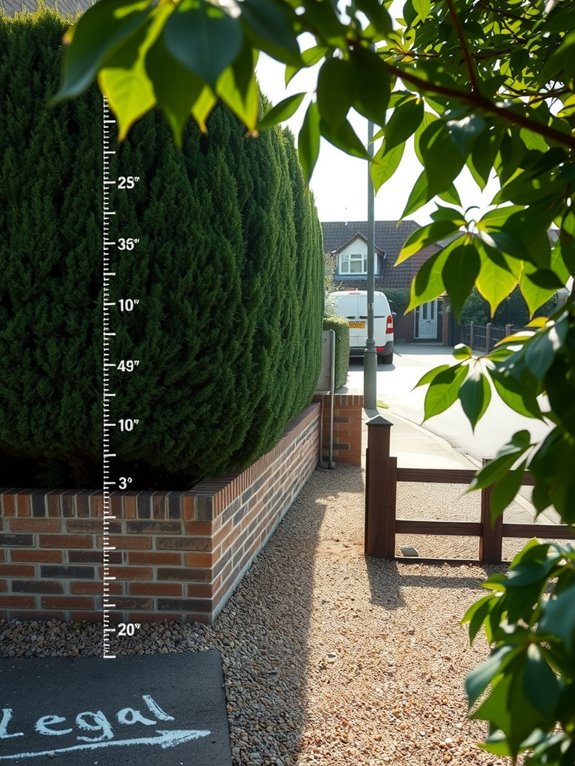
What’s the best way to handle a hedge disagreement before it turns into a full-blown neighbourhood feud?
Start with a friendly conversation. Pop round and chat about the hedge height situation before things escalate. Most neighbours respond well when you’re honest and calm about your concerns regarding light or visibility. A casual chat costs nothing and often prevents months of tension down the road.
Start with a friendly chat about your hedge concerns—honesty and calm prevent months of neighbourhood tension down the road.
If informal chat doesn’t work, try putting your concerns in writing. Document specific issues—whether it’s a 3-metre evergreen blocking sunlight or a 1.5-metre hedge reducing sightlines near the road. Written records matter because they show you’ve tried to be reasonable, and they create a clear timeline if you need to involve authorities later.
Only escalate to the council after genuine dispute resolution attempts fail. The local authority takes hedge complaints seriously, but they’d rather see you sort it yourselves first. This approach protects your relationship while addressing legitimate hedge height concerns, and it typically moves faster than getting officials involved from the start.
Filing a High Hedge Complaint: Process and Cost
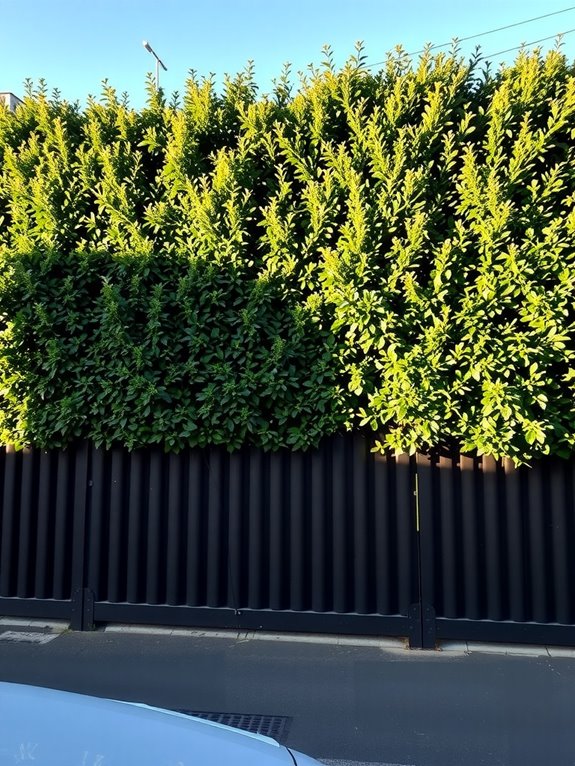
When friendly conversations and written requests haven’t worked, it’s time to file a formal complaint with your local council. The process under Part 8 of the Anti-social Behaviour Act 2003 follows a clear path forward.
First, you’ll need to pay your council’s complaint fee, which typically runs several hundred pounds. This fee exists to discourage frivolous cases, so councils take submissions seriously. Next, gather detailed evidence showing how the hedge materially affects your property enjoyment—think about whether it blocks light into your windows, creates damp conditions on your side of the property line, or prevents reasonable use of outdoor space.
Submit your evidence to the council, and they’ll assess whether remedial action is justified. This evaluation looks at the hedge’s actual height, how it impacts your reasonable enjoyment, and whether the owner’s maintenance falls short of community standards. If the council approves your complaint, they’ll issue a remedial notice specifying the exact height the hedge must be cut to (usually around 2 meters or 6.5 feet for most residential situations) and how often it needs maintenance going forward.
The owner then has a set timeframe to comply with the notice. If they ignore it, they’re looking at potential fines up to £1,000. Many neighbors successfully work through this complaint process by following each step methodically and keeping clear records of how the hedge affects their property and daily life.
Maintaining Hedges to Prevent Disputes
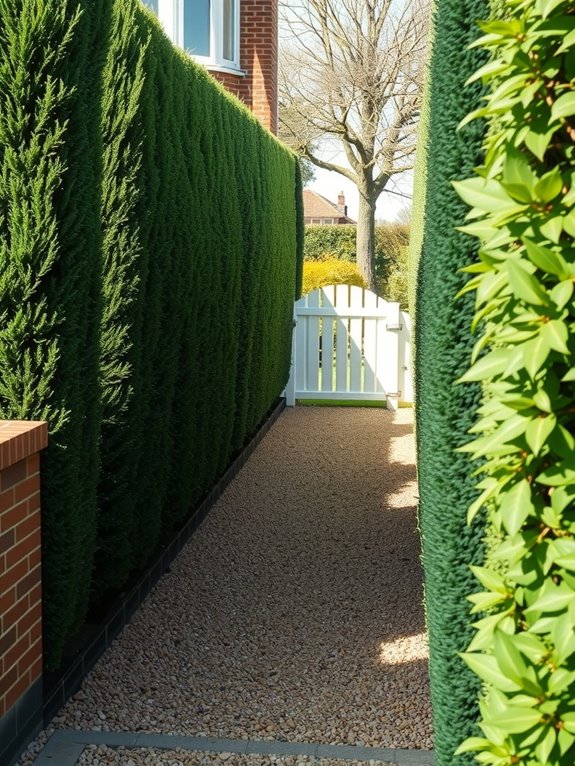
How’d you like to skip the council complaints, hefty fines, and awkward neighbor conversations altogether? You can do it through smart maintenance. Regular trimming two to three times per growing season keeps your front garden hedge manageable and dispute-free. This preventative approach beats scrambling later and builds community goodwill by staying responsible.
| Maintenance Timing | Height Check | Action Needed |
|---|---|---|
| Spring | Under 2m | Light trim |
| Summer | Monitor growth | Second trim |
| Autumn | Final check | Cleanup |
| Winter | Rest period | Plan ahead |
| Year-round | At highway | Keep 1m max |
Gradual trimming works better than occasional hacking because it prevents overgrowth from sneaking up on you. When you trim a little bit regularly, the hedge stays dense and responds well to the cuts without shock. You’ll maintain visibility for drivers, protect your neighbors’ views, and keep everything looking intentional rather than neglected. Steady maintenance means reaching for your hedge trimmer or pruning saw every few weeks instead of facing an overgrown mess that takes hours to fix.
When to Hire a Professional
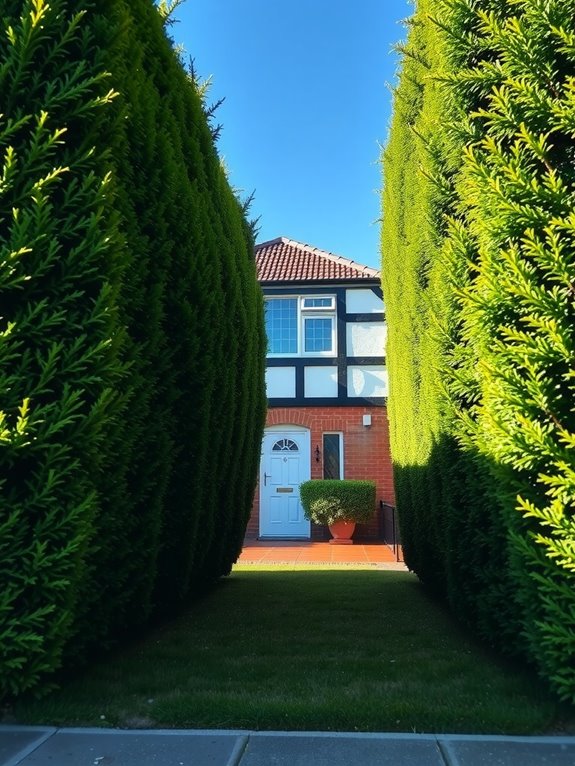
Sometimes you’ll reach a point where your hedge has grown too big, too wild, or too risky for a DIY approach. That’s when calling a professional makes genuine sense.
Consider hiring an expert when you’re facing:
Consider hiring an expert when your hedge grows too big, too wild, or too risky for DIY approaches.
- Hedge height exceeding 2 metres near highways—local planning departments have strict rules about sight lines and safety zones, and professionals know exactly how to navigate these requirements without landing you in legal trouble.
- Dense evergreen or semi-evergreen barriers blocking neighbour light—these situations often trigger formal complaints because they reduce daylight to adjoining properties, and specialists understand the specific remedial trimming patterns that satisfy legal standards.
- Complex trimming on steep slopes or near power lines—working at height with unstable footing or around electrical cables introduces real hazards that aren’t worth tackling alone, even if it costs more.
- Formal council complaints about your hedge—once a complaint lands on your doorstep, the Anti-social Behaviour Act regulations kick in, and professionals know how to respond properly to keep you compliant.
Arborists and hedge contractors bring proper equipment like commercial-grade trimmers and safety harnesses, plus liability insurance that protects you if something goes wrong. They understand local planning rules in ways that save you from expensive disputes down the road. Working with someone who knows the regulations means your hedge gets trimmed safely while keeping you on the right side of your council and your neighbours.