
Plant your Naked Lady bulbs in late spring to early summer—March through April in temperate zones—so they’ll establish strong roots before their dramatic late-summer flowers appear. You’ll want to find a sunny spot with soil that drains well, since these bulbs really dislike sitting in soggy conditions.
Dig holes about 8 inches deep and space the bulbs 12 inches apart, giving each one room to expand as it matures. Your climate matters here: if you live somewhere warm, go a bit shallower with your planting, but if frost visits your area regularly, plant deeper and add 2 inches of mulch on top for insulation. The mulch acts like a blanket, protecting the bulbs from temperature swings.
Water thoroughly right after planting to settle the soil around each bulb and eliminate air pockets. Then keep the soil consistently moist during the growing season—not waterlogged, just regularly damp. Think of it like a sponge that’s been wrung out: moist throughout but not dripping wet. This steady moisture helps the roots develop properly and sets up your bulbs for that showy late-summer display.
Best Time to Plant Naked Lady Bulbs
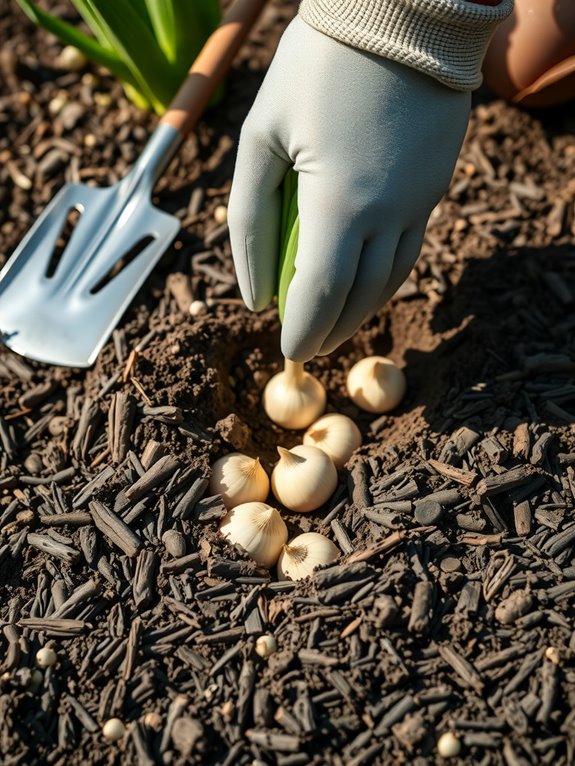
When’s the ideal moment to get those Naked Lady bulbs in the ground? Late spring to early summer is your sweet spot, roughly March through April in temperate zones. This timing aligns with the growing season when soil temperatures hover around 60-65°F, giving your bulbs the conditions they need to develop roots before their late summer display.
Plant your bulbs about 8 inches deep and space them roughly 12 inches apart in well-draining soil. This depth protects them from temperature swings while allowing roots to establish a solid foundation underground. Think of it this way: the bulbs need several months of cool soil contact to trigger the root development that supports those flowers months later.
The wait between planting and blooming—typically four to five months—might feel long, but that establishment period does real work. Your bulbs are building the root system and nutrient reserves necessary to push up flowering stems in late August through September. Skip this step by planting too late in summer, and you’ll end up with weak blooms or none at all. Get the timing right now, and you’ll have flowers when most other plants have stopped showing off.
Select a Sunny, Well-Drained Location
You’ve got your timing locked in, so now let’s talk location—because even perfectly timed bulbs won’t perform in the wrong spot. Naked Lady bulbs need full sun and excellent drainage to really succeed, which makes them straightforward to place once you know what to look for.
Find a spot that gets direct sunlight throughout the day. Then test your drainage by observing what happens after rainfall. If water pools and lingers for five to six hours, that’s your sign the soil drains too slowly. Standing water creates the perfect conditions for bulb rot, which kills your plants before they even get started.
If your soil is heavy clay, work in 2-3 inches of compost or peat moss to open it up and let water move through. This matters because bulbs sitting in wet soil simply won’t survive the dormant season. Whether you’re planting in garden beds or containers, this principle stays the same: good drainage is what keeps your bulbs healthy and blooming reliably year after year.
Prepare Your Soil for Drainage and Fertility
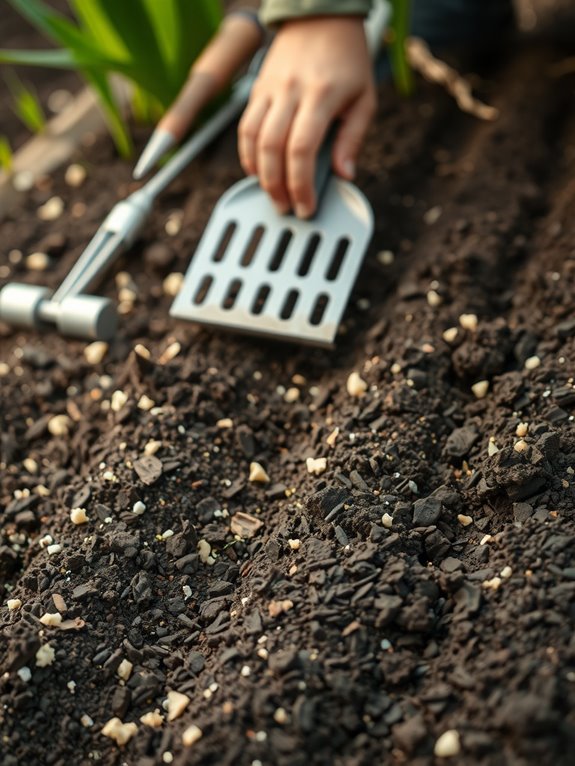
How’s your soil looking right now? If it’s heavy clay, don’t worry—you’re not alone, and it’s totally fixable. Naked Lady bulbs need soil that drains well, so amend clayey soil with sand or grit to improve water movement and prevent rot, which damages bulbs faster than almost anything else.
Next, aim for neutral to slightly acidic pH and boost fertility by mixing in compost or well-rotted manure. These additions break up dense soil into something fluffy and nutrient-rich that your bulbs will genuinely appreciate. After planting, apply about 2 inches of mulch to conserve moisture while keeping it pulled back from the bulb base. This simple step creates the right balance: your soil holds enough water to keep roots happy without staying soggy and promoting rot.
Naked Lady Bulb Planting Depth: Climate-Specific Guidance
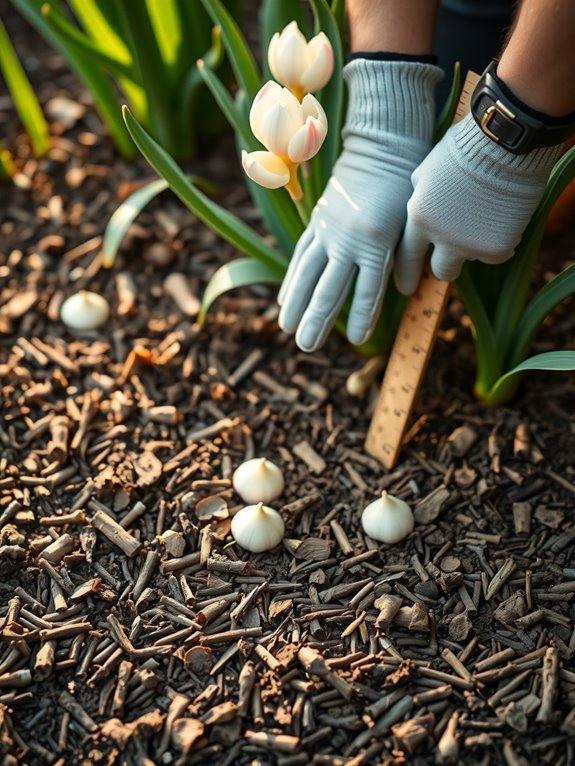
Right now, your planting depth matters more than you’d think—and it changes depending on where you live. In warm climates, plant Naked Lady bulbs just below the surface with their necks at soil level. You’re minimizing soil cover to let them breathe and thrive in heat.
If winter frosts visit your area, dig deeper—plant a few inches down and add about 2 inches of mulch on top. This combo shields your bulbs from freeze-thaw cycles that’ll wreck them.
Here’s the thing: depth isn’t one-size-fits-all because your soil drainage and texture actually call the shots. Poor drainage can make those guidelines meaningless, so adjust based on what your soil’s actually doing with moisture. Sand drains fast and might need bulbs planted slightly deeper to stay consistently moist. Clay holds water longer, so plant shallower to prevent rot. Feel your soil after watering to see how long moisture sticks around, then plant accordingly. That’s how you win with Naked Lady bulbs.
Spacing, Planting, and Initial Watering
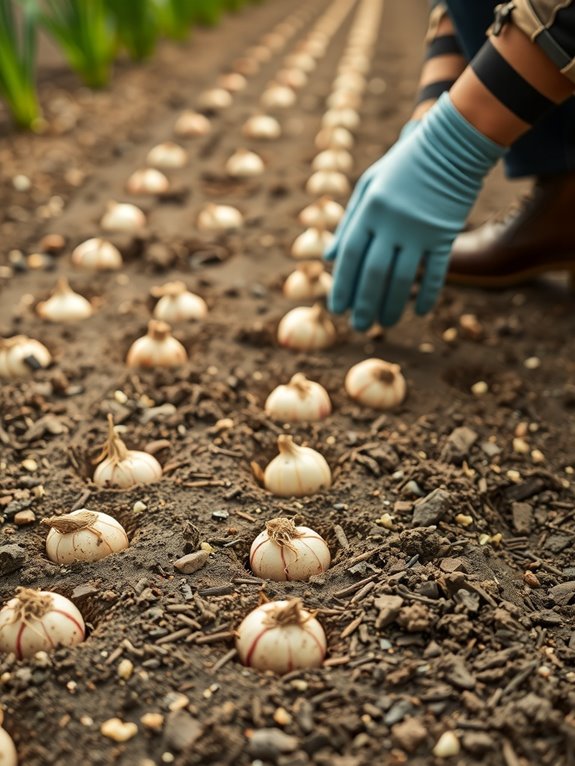
Now that you’ve figured out your planting depth, it’s time to get those bulbs in the ground. Spacing matters just as much as depth, so don’t skip this step. Space your bulbs about 12 inches apart in outdoor beds, which gives them room to spread and mature without fighting each other for nutrients and water. This distance works because bulbs need elbow room to develop their root systems properly.
When you’re ready to plant, dig individual holes or trenches deep enough for your bulbs, nestle them into place, and backfill with soil. Then water thoroughly. This initial watering does two things at once: it settles the soil around your bulbs and provides the moisture they need to start their underground development. Think of it as tucking them in before their dormant season. You’re laying the groundwork for healthy root growth that will support spring blooms.
Why They Bloom Without Leaves
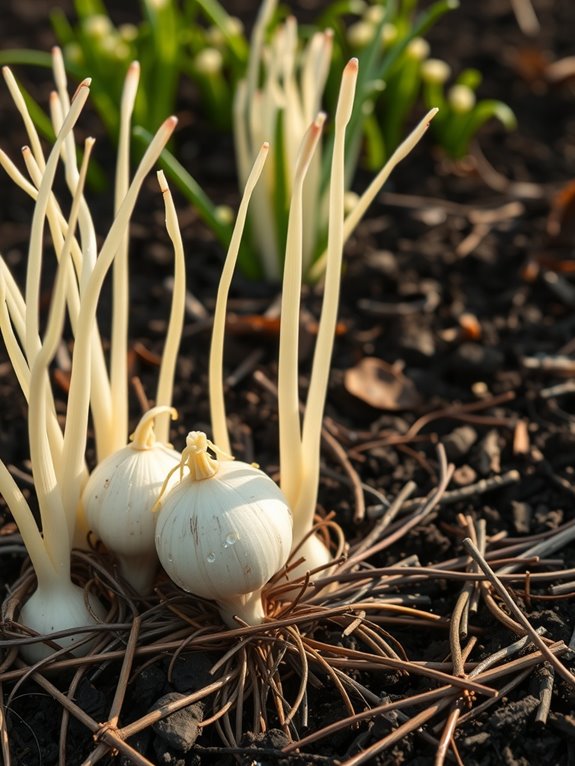
Ever wonder why your Naked Lady bulbs produce those flower spikes without a single leaf showing? It’s actually solid plant logic at work. Your bulbs follow a predictable yearly pattern: leaves pop up first in spring, then spend the growing season soaking up sunlight and storing energy through photosynthesis. By late summer, those leaves naturally fade and disappear completely. Then the flowering stems shoot up on their own, creating that distinctive bare look you’re after.
This isn’t a sign something’s wrong. It’s the plant’s smart strategy for channeling resources exactly where they’re needed. After the blooms fade, new leaves return to power next year’s flower show. Understanding this cycle helps you appreciate what’s happening below ground and trust the process when those bare stalks first appear.
Watering and Mulch Care Through Dormancy
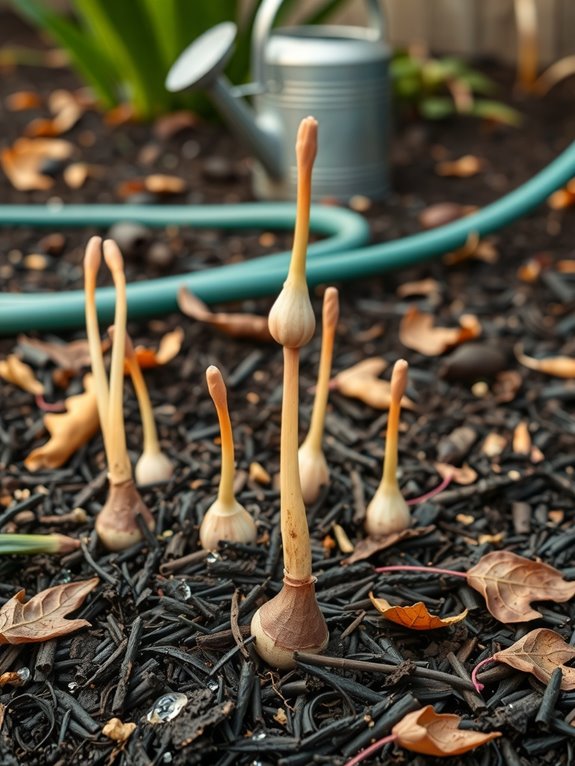
Once you understand why Naked Ladies skip their leaves for flowers, you can nail the watering pattern they need. During growing season—spring through late summer—water consistently at about one inch per week. This steady approach works better than random watering sessions because it keeps soil moisture even and supports steady bulb development.
When flowers fade and dormancy begins, cut watering back sharply. Bulbs need this dry rest period to build energy for next year’s flower show. If drought conditions hit during active growth, give occasional water, but hold back completely once the plant goes dormant. Overwatering sleeping bulbs invites rot and wastes effort.
Spread two inches of light organic mulch around your bulbs to lock in moisture and keep soil temperature steady. Push the mulch away from the bulb base where it sits—contact there traps moisture and creates rot problems. This simple layer does real work: it protects against temperature swings and reduces how often you need to water during the growing season.
When and How to Divide Overgrown Clumps
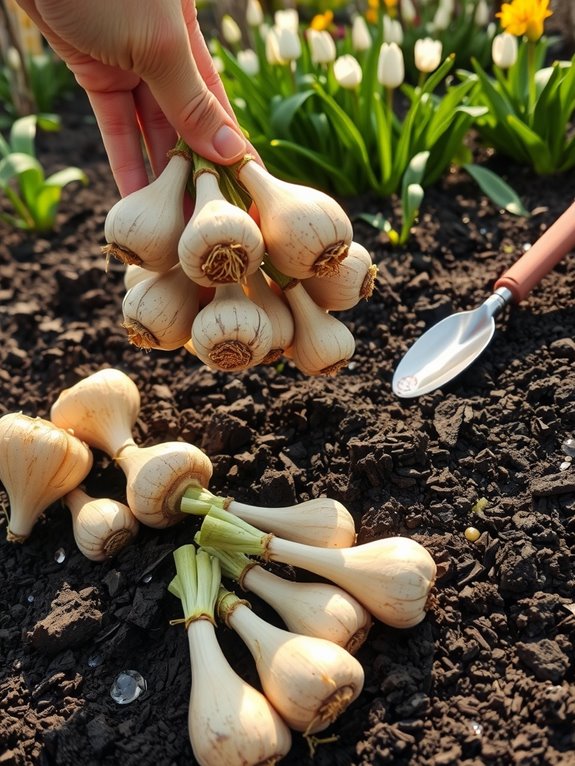
Timing matters more than you might think when dividing Naked Ladies. Wait until summer when the plants go dormant, right after blooming stops and all the leaves have died back completely. This approach reduces stress on the bulbs and gives them a better shot at recovery.
When you’re ready to divide, gently separate the bulbs from the clump—think of it like loosening packed soil rather than yanking apart. Plant each bulb in a spot that gets good sun and has soil that drains well. Position the bulb so its neck (the narrow part where leaves emerge) sits right at soil level or just barely above it. Water everything thoroughly once you’ve finished planting.
Here’s the realistic part: divided bulbs typically need a couple of years before they’ll flower again. That’s why you should only divide when the clump has gotten so crowded that it’s clearly struggling or taking up too much space. Since disrupting an established clump sets back blooming, it pays to wait until overcrowding really demands action.
Timing Your Division Work
When should you divide those crowded Naked Lady clumps? Summer’s your answer—right after the blooms fade and foliage dies back completely. This dormancy window matters because disturbed plants need recovery time before they’ll flower again, sometimes taking several years.
Only divide if clumps are genuinely overcrowded. Otherwise, leave them alone and let them sit undisturbed for years.
Beyond just picking the right season, location makes a real difference. Choose a sunny, well-drained spot for your division work since wet, heavy soil invites rot and will cause problems. Once you’ve carefully split clumps at the neck, replant those Naked Lady bulbs with necks at or just above soil level. Water thoroughly and add about 2 inches of light mulch around the base. Then wait for spring growth to resume normal care.
Separation And Replanting Steps
Digging up your dormant Naked Lady clumps requires patience and a gentle touch—rush the job and you’ll damage those precious bulbs. Once you’ve excavated the clump, separate large bulbs from smaller offsets carefully, making sure each division has a healthy neck or growing point to thrive.
| Step | Action | Spacing | Depth |
|---|---|---|---|
| 1 | Dig clumps carefully | — | — |
| 2 | Separate bulbs & offsets | 12–15 inches | — |
| 3 | Replant divisions | 12–15 inches | Neck near surface |
| 4 | Water & mulch | — | 2 inches mulch |
Replant divisions promptly at the right depth, which depends on your climate—some regions prefer necks sitting near the surface while others do better with them a few inches down. Space them 12–15 inches apart so mature clumps develop without crowding each other out. Water thoroughly after planting, then apply 2 inches of mulch to help retain moisture and regulate soil temperature. Leave your divisions alone during establishment—they need time to settle in and send out new roots without disturbance. The patience you invest now pays off when your divisions develop into full, healthy clumps.
Preventing Rot and Other Common Problems
The biggest threat to naked lady bulbs lurks in soggy soil—and it’s entirely preventable. Amaryllis belladonna absolutely hate waterlogged conditions, so these steps will make a real difference in keeping your bulbs healthy.
- Plant in well-draining soil and avoid low spots where water pools after rain. Think of good drainage as giving your bulbs an escape route so excess moisture moves away from their roots instead of settling around them.
- Space bulbs 12–15 inches apart to maximize airflow around each one. When bulbs sit too close together, moisture lingers in that trapped space between them, which invites rot to move in.
- Remove standing water promptly and check your planting site after heavy rainfall. Catching puddles early means they don’t have time to soak into the soil around your bulbs.
Once established, these drought-tolerant plants actually thrive on neglect. Water thoroughly when you first plant them, then back off significantly. In cold areas, add about 2 inches of light mulch—shredded bark or straw work well—for freeze protection while maintaining that drainage your bulbs need. The mulch sits on top of the soil without sealing it, so water still moves through to drain away from the bulbs.