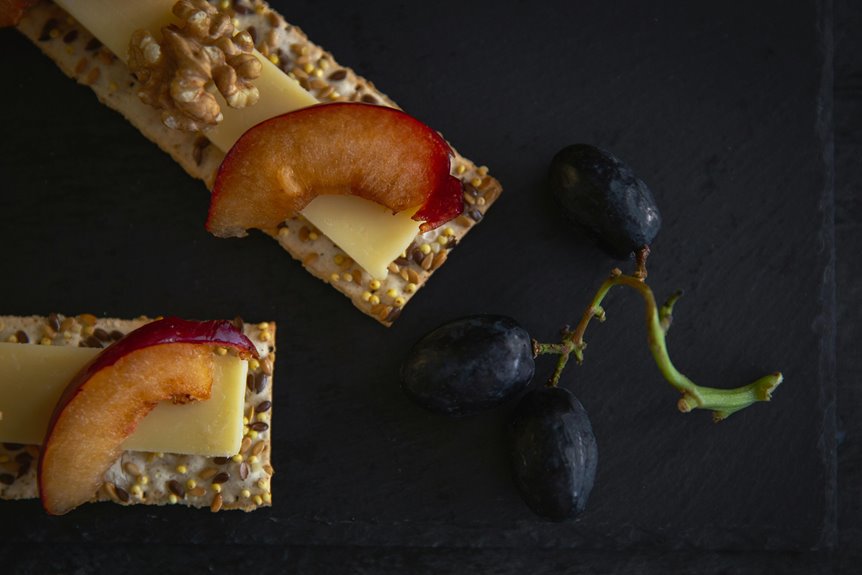
Harvest ripe grapes and extract the seeds, then rinse and air-dry them for 24–48 hours until they feel completely dry to the touch.
Next comes cold-stratification, which is basically tricking your seeds into thinking winter has passed. Place them in a damp medium like sand or peat moss and keep them at 34–41°F for 8–12 weeks. This breaks their dormancy so they’re actually willing to sprout.
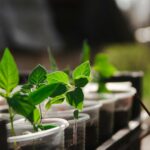
When you’re ready to plant, use a sunny spot with well-draining soil that has a pH between 5.0 and 6.5. Push seeds about ¼ to ½ inch deep and space them 6–12 inches apart. Water regularly to keep the soil consistently moist but not waterlogged, since grape seeds hate sitting in soggy conditions. Once seedlings pop up, thin out the weaker ones so your stronger plants get more resources.
As your vines grow, they’ll need something to climb on. Install stakes or trellises and space them about 6–8 feet apart to give the plants room to spread without tangling into a mess. Young vines are tempting snacks for pests, so drape netting over them and use fencing to keep larger animals away. Check your plants regularly for damage and adjust your protection as needed.
Step 1: Harvest and Select Healthy Grape Seeds From Ripe Fruit
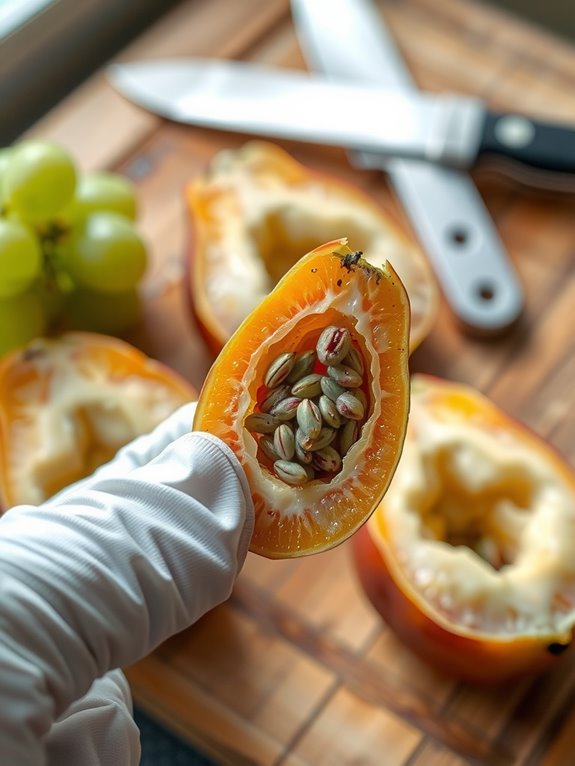
When your grapes reach peak ripeness—fully colored and sweet to taste—that’s your signal to harvest seeds. Underripe fruit won’t give you viable seeds, so wait for that sweetness.
Extract seeds carefully from healthy grapes, avoiding any damaged fruit. Rinse them under cool running water to strip away all pulp and debris, then lay them on a paper towel to air-dry for 24–48 hours. Moisture and leftover fruit matter create conditions where mold thrives, so this drying step actually protects your seeds.
Now comes quality control. Look for plump, dark-colored seeds and discard anything shriveled or discolored. You’re selecting only the strongest candidates for the next stage.
Once you’ve picked your best seeds, place them in a breathable bag (like a small paper or cloth pouch) with a damp paper towel inside. This keeps them from drying out while allowing air circulation. Store them this way until you’re ready to begin stratification, which mimics the winter conditions seeds need to sprout.
Step 2: Why Cold Treatment Works (and How to Stratify Your Seeds)
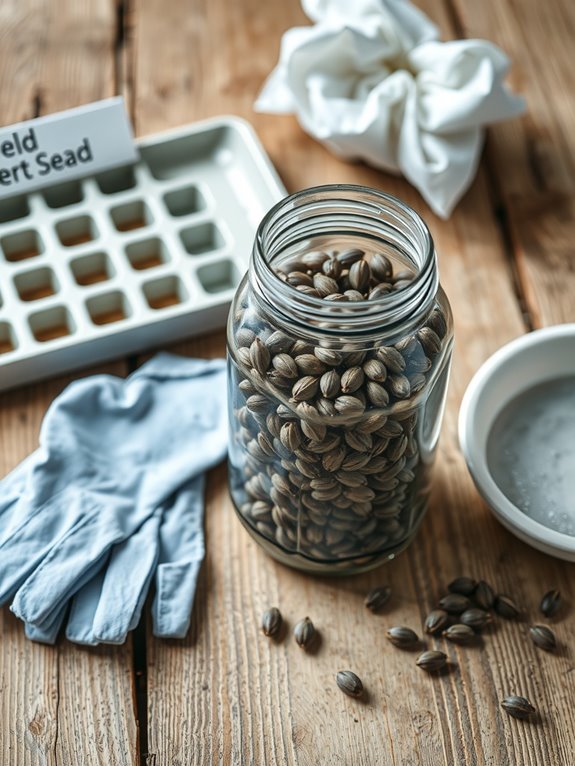
Grape seeds come with a built-in dormancy mechanism that requires a cold period before they’ll sprout. This isn’t random—it’s nature’s way of preventing seeds from germinating during a false warm spell in fall, only to get killed by winter frost. Cold stratification replicates those winter months, telling your seeds that safe growing conditions are actually on the way.
Start by combining your seeds with a moist growing medium like peat moss or sand, keeping it damp but not waterlogged. Place the mixture in your refrigerator at a temperature between 34–41°F for 8–12 weeks. This time window matters because the consistent cold gradually breaks down the seed coat’s resistance and prepares the embryo inside for growth.
Check on your seeds every week or two during storage. Remove any mold that develops and squeeze out excess water if the medium becomes soggy—seeds rot faster in wet conditions than in cold ones. The goal is moist and cool, not wet and cold.
Some grape varieties need a few extra weeks beyond the standard 8–12 week window, so slight variations between seed types are normal. Keep checking after week eight to see if your seeds have started splitting open or showing white root tips, which signals they’re ready for planting. Once you spot those signs, move them to warm soil and watch them take off.
Step 3: Prepare a Sunny Bed With Well-Draining Soil
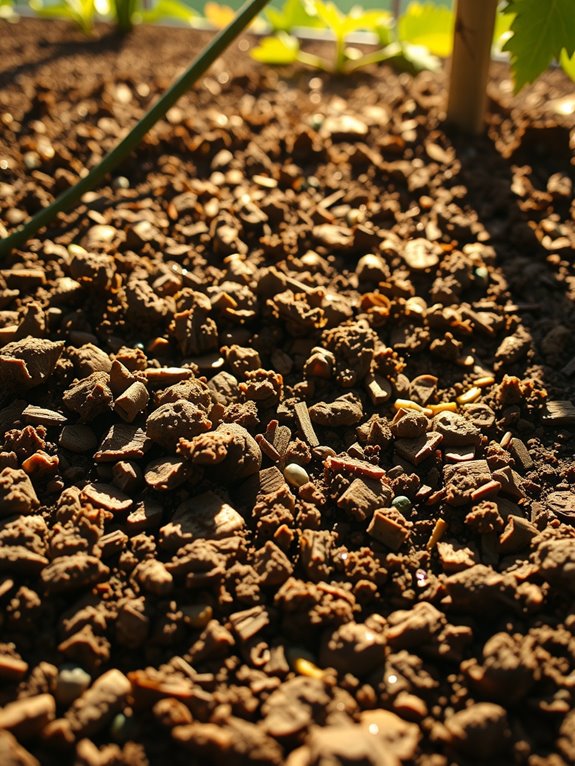
Scout out the sunniest spot in your yard—grapevines need at least six to eight hours of direct sunlight daily to develop vigor and ripen fruit properly. Without adequate sun, you’ll end up with weak growth and disappointing harvests.
Next, focus on soil preparation. Grapevines really dislike wet conditions, so you’ll need soil that drains well and doesn’t let water sit around the roots. If your yard has heavy clay, work in compost or other organic matter to break up the soil structure and improve drainage before you plant anything.
Check your soil’s pH level too—grapevines prefer the 5.0 to 6.5 range, so grab an inexpensive soil test kit from any garden center to see where you stand. Once you’ve got the right conditions, space your vines about 6 to 8 feet apart to give each plant room to spread.
Set up your support system right away, whether that’s a simple stake or a more elaborate trellis. Getting this infrastructure in place from the start makes it much easier to guide the vines as they grow and keeps your future harvests manageable when branches heavy with fruit start climbing toward the sky.
Step 4: Plant Grape Seeds at the Right Depth and Spacing
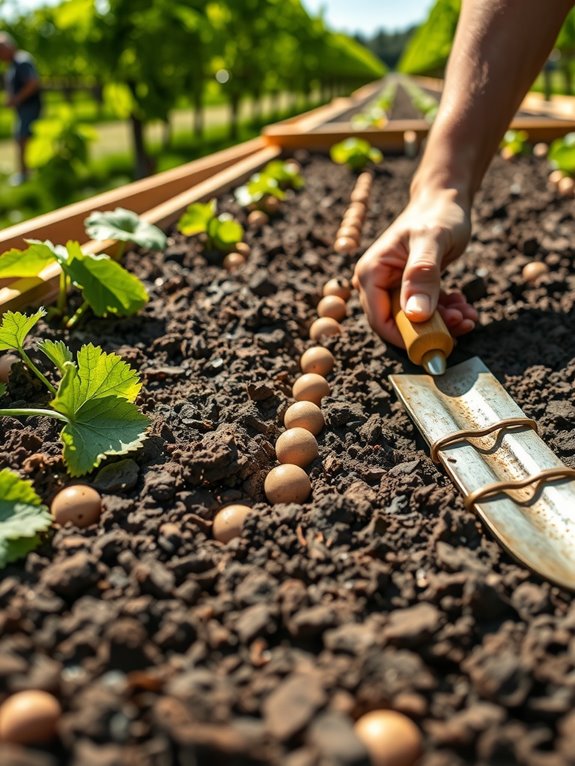
Plant your grape seeds about 1/4 to 1/2 inch deep in the soil—shallow enough that they catch the light they need to sprout, but protected enough to stay moist. Space them roughly 6 to 12 inches apart so seedlings won’t fight each other for water and nutrients while they’re getting established.
If you’re working with multiple rows, leave about 2 to 3 feet between them. That extra space lets air move freely around your plants, which cuts down on fungal diseases and other moisture-related problems that love cramped conditions.
Optimal Planting Depth
Getting your grape seeds into the ground at just the right depth is where careful attention really pays off. Plant your grape seeds about 1 to 2 inches below the soil surface, which translates to roughly 2.5 to 5 centimeters down.
This depth works well for several practical reasons. Seeds germinate best in darkness with consistent moisture, and soil acts as a protective blanket against temperature swings and drying winds. As your seedlings push upward, they gain gentle resistance from the soil, which actually helps their root systems develop properly.
The stakes are real here—too shallow and your seeds dry out quickly in the sun and air. Too deep and the seedlings won’t have enough energy to break through to the surface. You want well-draining, loamy soil that stays consistently moist without becoming waterlogged. A soil that crumbles easily in your hand and holds water without clumping is your target.
The difference between shallow planting and deep planting determines whether you get healthy vines or disappointing results. That 2.5 to 5 centimeter range isn’t arbitrary—it’s the zone where seeds can access moisture while still receiving enough light once they sprout.
Spacing Between Vines
Now that you’ve planted your seeds at the proper depth, spacing becomes your next important decision. You’ll want to space your grape vines 6–8 feet apart, giving each one room to spread out comfortably. This distance lets roots grow strong without competing for water and nutrients while allowing canopies to expand naturally.
There’s a practical benefit here too. Proper spacing creates excellent air circulation around your plants, which helps prevent disease and keeps them healthy. When vines sit too close together, humidity gets trapped between leaves and creates conditions where fungal problems thrive. Crowded plants also compete fiercely for moisture and nutrients in the soil, weakening them overall.
Think of your grapevines like neighbors who appreciate their personal space. When they have room to breathe, each vine grows stronger and produces better fruit. By respecting that 6–8 foot distance, you’re setting up an environment where plants support each other’s growth rather than working against it.
Step 5: Water Consistently and Watch for the First Sprouts
What’s the secret to coaxing those grape seeds into action? Consistent water and patience. You’ll want to establish a solid irrigation routine that keeps your soil moist but never soggy during those critical first two years.
Aim for 1/2 to 1 inch of water weekly, adjusting based on rainfall and Minnesota’s temperamental spring weather. Apply water directly at the root zone, steering clear of foliage to prevent disease. This direct approach keeps moisture where it matters most and reduces fungal problems that love wet leaves.
Monitor your soil moisture regularly by sticking your finger about two inches down into the soil. If it feels dry at that depth, it’s time to water. Overwatering causes leaf drop and stresses young vines, so err on the side of restraint rather than drowning your plants with good intentions.
Once your crown registers steady moisture and the root zone hydrates properly, sprouts will emerge within a few weeks. You’re not just watering plants; you’re building the foundation for years of grape harvests ahead. Stay vigilant those first weeks, checking soil moisture a couple times per week until your vines establish themselves.
Step 6: Thin Out Weak Seedlings and Add Support as Vines Grow
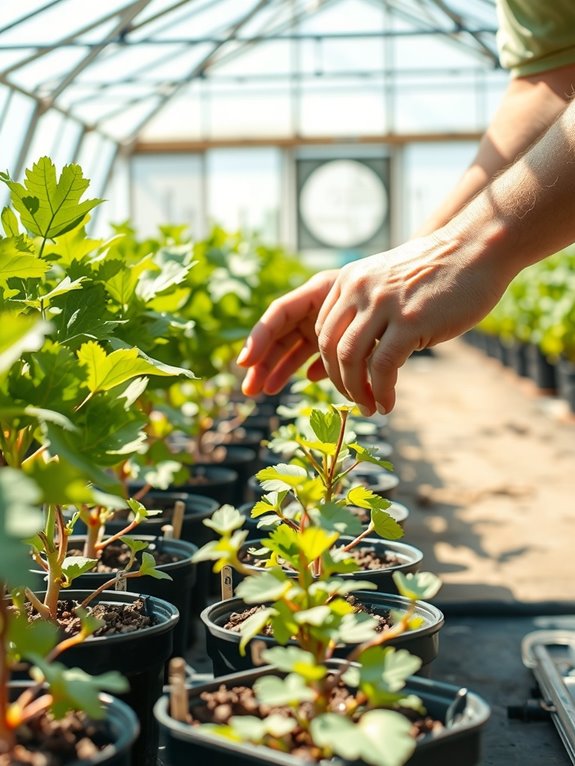
Your seedlings won’t all grow at the same pace, and that’s just how it works. Once they’ve sprouted and developed their first true leaves, you’ll see some pulling ahead while others lag behind. The weaker ones won’t catch up, so remove them to let the stronger seedlings get all the water and nutrients without competition.
This culling process might feel a bit harsh at first, but it’s worth doing. You’re basically choosing quality over quantity, which means better results down the road.
Space your strongest seedlings about 6–8 feet apart once they’re established. This distance lets air move freely between plants and gives roots room to spread without tangling. As the vines start climbing, tie the main shoots to stakes or trellises with soft plant ties or strips of cloth. You’re building an upright structure that keeps everything organized and prevents the tangled mess that happens when vines sprawl everywhere.
Keep checking on your plants as they grow. Remove any competing shoots that branch off low on the main stem—gardeners call these suckers, and they steal energy from your primary vine. If you spot yellowing leaves, brown spots, or stunted growth, adjust your spacing or add more air circulation by pruning nearby foliage. The goal is one strong, well-supported vine rather than several weaker ones fighting for resources.
| Growth Stage | Action | Purpose |
|---|---|---|
| Post-germination | Remove weak seedlings | Direct water and nutrients to strongest growers |
| Early growth | Space 6–8 feet apart | Improve air circulation and root development |
| Developing vines | Add stakes or trellises | Build upright structure and prevent crowding |
Step 7: Guard Young Grape Plants From Pests Until They’re Established
Your young vines need protection from several common pests that feed on grapes. Japanese beetles, yellow jackets, and multicolored Asian lady beetles are particularly drawn to grape plants, so plan on checking your vines every few days during the growing season. When you spot these pests, simply pick them off by hand and drop them into a container of soapy water to kill them quickly and effectively.
Birds represent a different kind of threat, especially once your grapes start ripening and becoming attractive snacks. About two to three weeks before you plan to harvest, drape bird netting over your vines with a mesh size of around one-quarter inch. This fine mesh keeps birds out while still allowing sunlight, water, and air to reach your plants. Secure the netting at the base of the vines so determined birds can’t sneak underneath, and check it regularly to make sure no wildlife has gotten tangled in it.
Wildlife Protection Methods
Once your grape vines start producing fruit, wildlife will notice and head straight for your vineyard. Getting protective barriers in place before peak season arrives makes all the difference in what you’ll actually harvest.
Fine-mesh netting works best for stopping birds and squirrels from reaching developing clusters. Drape it directly over the fruit bunches, securing the edges so determined creatures can’t squeeze underneath. A 1/4-inch mesh size keeps out most pests while still allowing water and sunlight through to your grapes.
For larger animals like deer and raccoons, sturdy fencing around young plants protects them during their vulnerable early years. A 6-foot fence typically stops deer, while burying fence material 12 inches underground prevents raccoons from digging underneath. Once your vines’ trunks thicken and strengthen, they become less appealing to browsing animals anyway.
Rotating repellent products around the base of your plants keeps wildlife from getting used to any single smell or taste. Switch between capsaicin-based sprays, predator urine, and motion-activated sprinklers every few weeks. This variety makes your vineyard feel unpredictably hostile rather than like an open buffet.
Place protective row covers from ground level up past your trellis height during peak feeding seasons, typically late summer through early fall. These lightweight fabric barriers let light and rain through while creating a physical obstacle animals must work around. After storms or high winds, walk your rows and look for gaps or tears where clever creatures might slip through. Small openings get exploited quickly, so repair them right away rather than waiting for problems to show up in your harvest.
Common Vineyard Pests
What’s sneaking into your vineyard right now? Japanese beetles, yellow jackets, and multicolored Asian lady beetles love munching on your young grape vines, and stopping them takes regular attention. Check your plants every few days and hand-pick pests during calm mornings when they’re sluggish and easier to catch. Knock them into a bucket of soapy water, or use fine netting to shield ripening fruit from both birds and hungry insects.
Good air circulation around your vines reduces the damp spots where pests hide and diseases spread. Keep the ground clear around each vine base so insects lose their shelter and you can spot problems early. This simple habit cuts down on pest hideouts without needing much effort.
One thing people overlook: herbicide drift from 2,4-D and dicamba can damage your grape vines from nearby applications. These chemicals stress the plants and weaken their natural defenses against pests, so keep a buffer zone between your vineyard and any treated areas. Staying on top of these details now means fewer headaches when your grapes start ripening.