Shopping at local native nurseries puts you ahead of the game because they stock species suited to your climate and skip the pesticides that wipe out monarch caterpillars. Moon Valley Nurseries in Phoenix carries Asclepias subulata year-round, while Tucson’s Civano Nursery specializes in low-desert varieties. If local options don’t work out, Monarch Watch’s Milkweed Market lists over 200 verified vendors organized by zip code, focusing on pesticide-free plants with recent harvest dates.
Before buying anywhere, call ahead and ask about treatment protocols and where they source their plants. This conversation takes five minutes and tells you whether the nursery treats seedlings with neonicotinoids or other toxins that poison caterpillars.
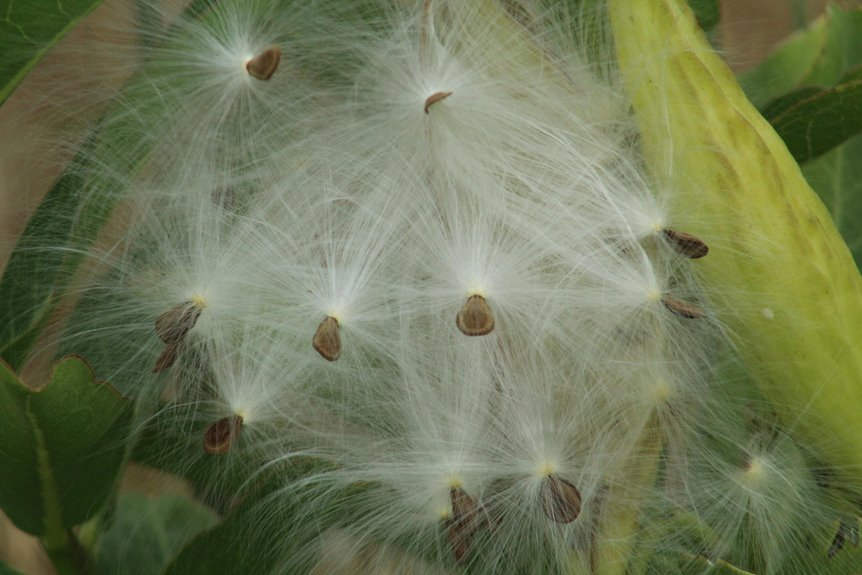
Seeds offer a budget-friendly alternative and often germinate more reliably than transplants. Comstock Seeds and university extension programs sell packets for a few dollars each, and you’ll know exactly what went into growing them from day one. Starting from seed takes patience—expect 2 to 3 weeks for germination depending on species—but the plants develop stronger root systems than nursery transplants that spent months in containers.
Native Milkweed Nurseries in Your Region
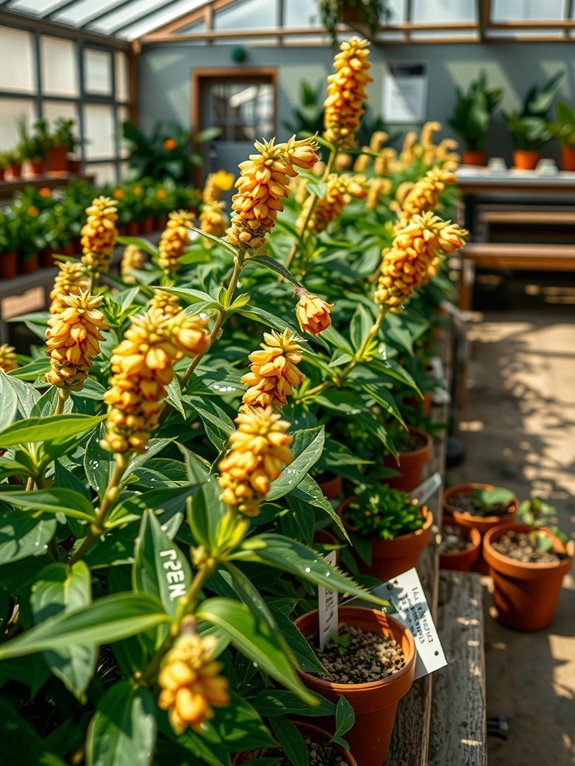
Where can you find milkweed plants that’ll actually thrive in your local climate? Native milkweed nurseries in your region are your best bet for success.
Native milkweed nurseries in your region are your best bet for finding plants that’ll actually thrive in your local climate.
In Southwest Arizona, Moon Valley Nurseries and Singh Farms stock desert-adapted varieties like Asclepias subulata and A. angustifolia, which handle extreme heat and low water availability without complaint. If you’re gardening at higher elevations around Prescott, Mortimer Nursery and Native Garden carry A. incarnata and A. tuberosa, species that prefer cooler temperatures and moderate moisture.
Down in Tucson, Desert Survivors and Mesquite Valley Growers offer multiple milkweed varieties suited to Southern Arizona’s intense sun and sparse rainfall patterns. These regional suppliers understand your specific growing conditions because they work with them every day. They know which varieties handle your soil type, how much summer water stress your plants can handle, and which species actually produce seed in your climate zone.
When you buy from local native milkweed nurseries, you’re getting plants already adapted to your soil composition, water availability, and temperature patterns. This means less fussing with amendments or constant watering schedules once they’re established. You’re also supporting nearby businesses that share your interest in building monarch habitats. The gardeners running these places can answer questions about what worked last year and what flopped, which beats guessing based on generic growing guides.
Where Milkweed Specialists Sell Online
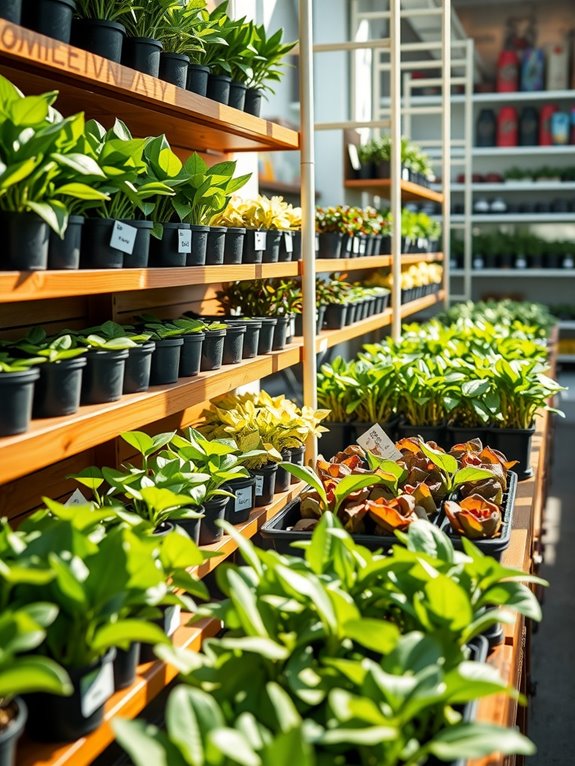
When you’re hunting for milkweed online, specialized vendors are your best bet—these folks are experienced growers who actually understand the plants, not just general retailers stocking whatever sells. The Monarch Watch Milkweed Market lets you search by zip code to see what’s available in your region, and their directory lists over 200 vendors if local options run thin. These specialists typically display botanical names alongside common names, making it easier to confirm you’re getting the right species.
Timing matters with online orders. Spring brings the widest selection since that’s peak growing season, so you’ll have more species and size options to choose from. Summer and fall can get pickier depending on what’s already sold out. Most reputable vendors will replace or refund plants that arrive damaged during shipping, which is worth confirming before you buy—damaged roots or broken stems happen sometimes with mail delivery, and good sellers stand behind their stock.
When browsing listings, look for specific details: the plant’s height (often listed in inches), whether it’s a bare root or container-grown specimen, and when it ships. A 4-6 inch potted plant handles shipping better than a bare root cutting, though bare roots cost less and work fine if you plant them quickly. Check the vendor’s return policy too—some offer 30-day refunds while others have stricter windows, so know what you’re agreeing to before checkout.
Specialist Vendor Selection
When you’re shopping for milkweed, the difference between a real specialist and someone just moving inventory shows up in the details. Look for vendors who use botanical names like *Asclepias tuberosa* instead of hiding behind vague common names—that’s your first clue they know what they’re talking about.
The best regional suppliers keep updated resource pages that point you toward species suited to your climate zone. They understand that *Asclepias incarnata* performs differently in zone 5 than zone 8, and they’ll actually guide you toward the right choice for your specific location rather than selling you whatever’s cheapest.
Quality vendors back their work with replacement or refund policies when plants arrive damaged or dead. That’s not just nice customer service—it means they’re confident enough in their growing practices to stand behind what ships out the door.
USA-based specialists make the whole experience smoother. You get faster shipping since plants spend less time in transit, post-purchase support from people who understand your local growing conditions, and straightforward information about pesticide-free status you can verify directly. These vendors treat monarch conservation as core to their business, not something they mention in fine print. They genuinely want you to pick the right plants so monarchs actually visit your yard season after season.
Online Sourcing Strategies
Finding quality milkweed online starts with knowing where real specialists hang out instead of just browsing generic plant warehouses. The Milkweed Market Shop at shop.milkweedmarket.org has a zip-code search tool that shows you what’s actually available in your specific region. If local varieties aren’t showing up, the Monarch Watch vendor listing connects you with over 200 regional specialists who understand what grows well where you live.
When you’re comparing vendors, prioritize USA-based ones who list the botanical names—like Asclepias tuberosa for butterfly weed—and back their plants with replacements or refunds if something arrives damaged. Fresh seeds and plugs tend to perform better than dormant tubers sitting in storage, and pesticide-free plants matter if you’re growing them specifically to feed monarch caterpillars, since the chemicals can harm them.
Spring supplies go fast at most nurseries, with many reserving their entire April stock by mid-March, so ordering in advance gives you better selection and availability. Fresh seeds started indoors in February or March will be ready to transplant by late spring. If you have questions about shipping times or whether a vendor can send to your state, email [email protected] and they’ll point you toward the right resources for your location.
Buy Native Plants at Retail Chains
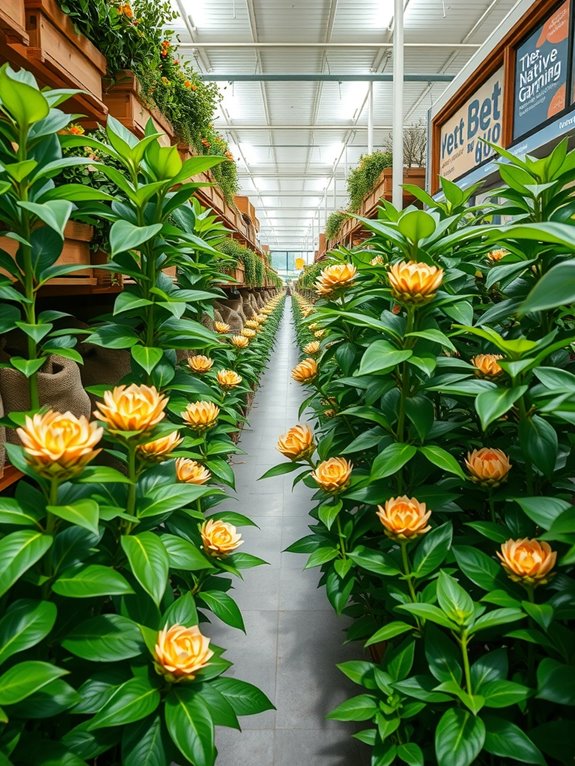
When you’re shopping for native plants at big retail chains, there’s something worth knowing about before you bring them home. Many garden centers treat their stock with systemic pesticides, chemicals that stick around in the plant tissues and can seriously harm monarch caterpillars that eat milkweed. Since those caterpillars depend entirely on milkweed species to survive, you’ll want plants that haven’t been treated with these persistent chemicals.
Your best approach is calling ahead to ask specifically about pesticide-free inventory. Ask whether they use systemic treatments and request documentation if possible. If the big chains can’t guarantee clean stock, smaller independent nurseries in the Phoenix area are usually your better bet. They typically specialize in certified native species like Asclepias subulata and A. angustifolia, plants bred specifically for local conditions. These nurseries often skip the chemical treatments altogether since they cater to people who care about supporting local wildlife.
When you find plants grown without systemics, you’re bringing home genuinely safe plants that let monarch caterpillars feed and develop without exposure to harmful residues. That means the butterflies that emerge will be healthy and ready to pollinate your garden and neighboring plants throughout the season.
Chain Store Pesticide Concerns
When you’re browsing the garden section at your local big-box retailer, that milkweed plant might look healthy and robust. Here’s what matters: many chain stores treat their stock with systemic pesticides that stay active in the leaves for weeks or months after purchase. These chemicals can poison monarch caterpillars that feed exclusively on milkweed leaves during their growth stage.
Before you buy, ask the staff about pesticide treatments used on that specific plant. Request options grown without chemical treatments. Look for organic certification labels on the plant tags, which indicate third-party verification of pesticide-free growing practices. Many retailers source from suppliers who apply neonicotinoids or other systemic insecticides without fully understanding the downstream effects on native pollinators.
Your best approach is calling the store ahead of time to ask about their sourcing. Specifically request information about which nurseries supply their milkweed and what treatment protocols those suppliers follow. If staff can’t provide clear answers about pesticide use or the plant’s origin, that’s a signal to look elsewhere. Specialty native-plant nurseries typically grow milkweed without systemic chemicals and can explain their practices in detail. The effort to locate a reputable local source pays off when your milkweed supports healthy caterpillar populations instead of exposing them to harmful residues.
Local Garden Center Alternatives
Local garden centers and regional nurseries beat big-box stores because the staff actually knows their plants. You’ll talk with people who understand your specific climate and can point you toward native milkweed varieties that match your region’s growing season.
Phoenix and Mesa
Moon Valley Nurseries keeps Asclepias fascicularis, A. speciosa, A. tuberosa, and A. subulata in stock year-round. This matters because you can grab what you need without waiting for seasonal shipments.
Prescott
Mortimer Nursery and Native Garden carry A. incarnata and A. speciosa that grow well in northern Arizona’s cooler temperatures and higher elevation. These plants are already adapted to what your area throws at them.
Tucson
Civano Nursery stocks A. subulata and A. angustifolia for the low desert’s intense heat and low rainfall. The staff there knows exactly which varieties handle those conditions.
Before you go
Call ahead first. Milkweed goes dormant in winter and varies by season, which means some varieties might be out of stock when you show up. A quick phone call saves you a wasted trip and frustration. Local nurseries prioritize plants suited to your ecosystem, so you’re not guessing whether something will actually survive in your yard.
Sourcing Certified Native Species
Buying certified native milkweed at major retailers is more practical than you might think. Chain stores in Phoenix, Tucson, and Northern Arizona now carry region-specific species like Asclepias tuberosa and A. speciosa through certified native plant programs. The staff at these locations know their stuff and can point you toward plants suited for your exact area.
Here’s what makes this approach work: these retailers partner directly with local nurseries and wholesale growers. That means your milkweed arrives already adapted to Southwest climate conditions rather than needing months to adjust. You’re buying plants that can handle your heat, water availability, and soil conditions from day one.
Stock changes with the seasons, so checking availability online or calling ahead saves a wasted trip. When you do find what you’re looking for, you’re supporting growers in your region while getting plants that’ll actually perform well. That’s the real payoff—convenience meets practical results, and you’re building monarch habitat with species that belong in your specific location.
Affordable Milkweed Seeds From Specialty Growers
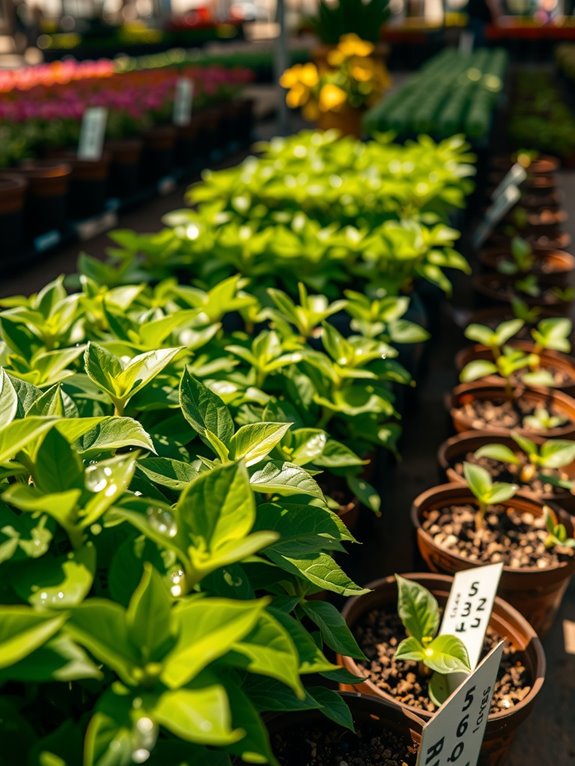
If you’re looking for quality milkweed seeds that won’t drain your budget, specialty growers across the West offer solid options at fair prices. Regional nurseries understand what monarch caterpillars actually need, and they’ve priced their seeds accordingly because they care about the work.
Comstock Seed in Gardnerville, NV stocks Asclepias fascicularis and A. speciosa seeds. They’re particularly good if you want bulk quantities for a serious growing operation without paying premium prices.
Luca Micaela Nursery in Vista, CA carries a wider range of species, including A. tuberosa and A. eriocarpa. They offer mail-order service, which means seeds arrive at your door ready to plant.
Nevada Monarch Society partnerships connect growers with native Asclepias speciosa and A. fascicularis through Washoe State Nursery. These seeds come from sources specifically selected for your region’s climate.
University of Nevada Cooperative Extension distributes free native milkweed seeds through their Master Gardener Program. You can order these seeds through Luca Micaela, which saves you the cost of the seeds themselves while supporting local conservation efforts.
These growers price fairly because they genuinely support monarch habitat work. When you buy from them, you’re joining people who understand why this matters and want to see it succeed.
Local Native Plant Growers and Community Sources
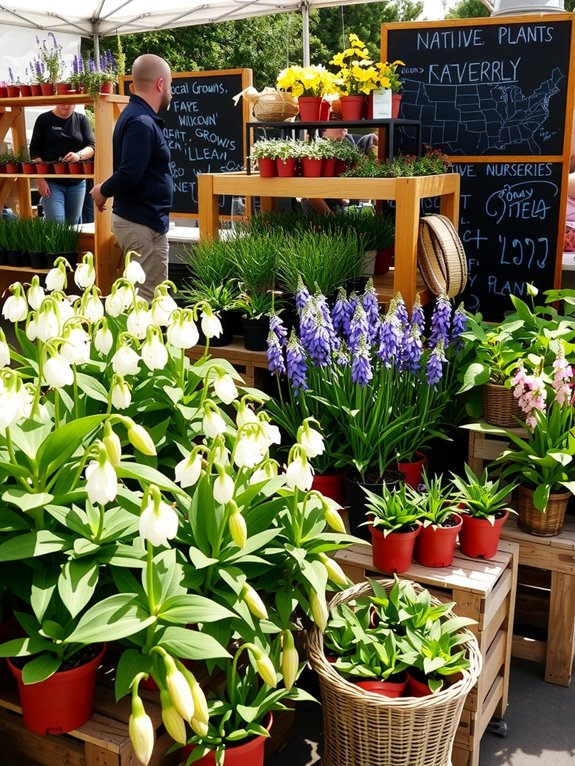
Your neighborhood nurseries and regional plant communities are goldmines for finding milkweed already adapted to your specific corner of the Southwest. Local nurseries understand your climate in ways big-box stores simply don’t, and they can point you toward varieties that’ll actually perform well in your zone.
In Phoenix, Moon Valley Nurseries and Singh Farms stock Asclepias subulata varieties suited to the intense heat and low rainfall of the low desert. Tucson gardeners should check out Tohono Chul or Mesquite Valley Growers, which carry multiple native milkweed species perfect for monarch habitat. Northern Arizona residents in Prescott have Mortimer Nursery offering incarnata and speciosa types that handle cooler temperatures and higher elevation conditions.
These local growers are your neighbors building community resilience, not just vendors moving inventory. You’ll get expert advice tailored to your specific zone based on actual experience growing plants in your area, plus the practical benefit of supporting businesses that genuinely care about native species. The staff can explain which milkweed varieties perform best in 115-degree Phoenix summers versus Flagstaff’s monsoon season, information you won’t find on a big-box price tag.
Mail-Order Milkweed Collections for Monarchs
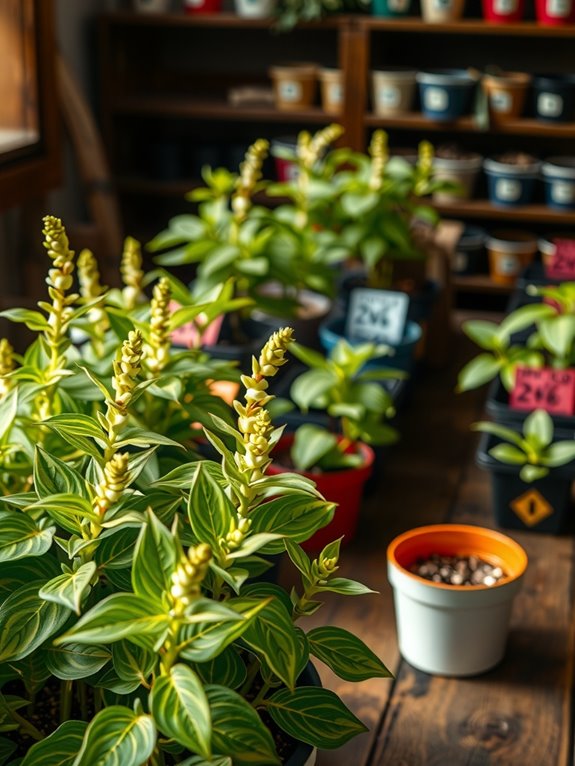
Sometimes your local nursery runs short on the exact milkweed species your monarchs need, and mail-order specialists fill that gap nicely. The Monarch Watch Milkweed Market Shop connects you with native nurseries across the country by delivering plants suited to your specific zip code. This approach matters because it matches plants to local monarch populations while expanding your options beyond whatever limited stock sits on nearby shelves.
What makes this system work well comes down to a few practical details. Plants ship only to their native ecoregion, which keeps the genetics aligned with the monarchs already living in your area. Over 200 regional suppliers participate in the program, giving you access to species your local garden center probably doesn’t stock. To place orders or check what vendors operate near you, contact [email protected] directly.
The program also supports bigger efforts beyond backyard plantings. Large-scale restoration projects and schools can request free plants, which means if you’re working on something substantial, it’s worth asking about those options. The Milkweed Market’s vendor list does the searching for you, letting you find what you need when you need it rather than hunting through multiple nursery websites.
Before You Buy: Critical Verification Steps
How do you know you’re actually getting native milkweed and not something masquerading as the real deal? Start by checking the Milkweed Market shop’s zip-code search tool—it’ll show you exactly what grows in your region. Always verify botanical names like Asclepias tuberosa or A. fascicularis, since common names can get confusing fast. That little step takes maybe two minutes and saves you from planting the wrong species.
Next, focus on vendor verification. Stick with USA-based specialists offering replacements or refunds if plants arrive damaged or dead on arrival. The Monarch Watch Milkweed Market Vendor listing features over 200 regional vendors you can actually trust, which beats scrolling through random websites hoping for the best.
Finally, confirm you’re getting pesticide-free stock and seeds harvested recently rather than sitting in storage for months. Fresh seeds germinate at higher rates—usually 70-85 percent compared to 30-40 percent for older stock—which means more plants actually take off in your garden. These verification steps take maybe five minutes total but protect your monarch garden investment significantly.