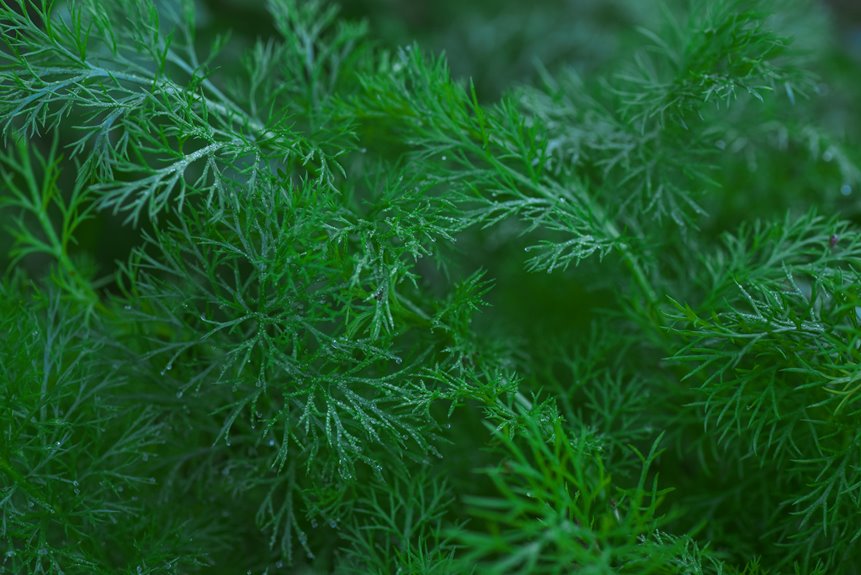
Dill’s lifespan really comes down to where you live. In hardiness zones 9 through 11, you can grow dill as a true perennial that comes back reliably year after year with basic care. If you’re gardening in zones 2 through 8, though, dill acts more like an annual or biennial, lasting just one or two growing seasons before it dies back completely.
Here’s where things get interesting: you can extend dill’s presence in your garden through self-seeding. Simply let the mature seed heads stay on the plant and drop their seeds naturally when they’re ready. Come spring, volunteer seedlings will pop up on their own, giving you fresh dill without replanting. This approach works especially well if you’re willing to let a few plants go to seed rather than harvesting every stem.
For year-round dill harvests, you’ll need to adjust your approach based on your specific climate. Folks in cold zones might succession plant seeds every three weeks during the growing season, starting from early spring through midsummer. Those in warmer zones can often sow seeds in fall for winter harvests, then again in early spring for summer production. Knowing your frost dates and typical growing season length helps you time plantings so fresh dill is ready when you need it.
Is Dill a Perennial, Annual, or Biennial Plant?
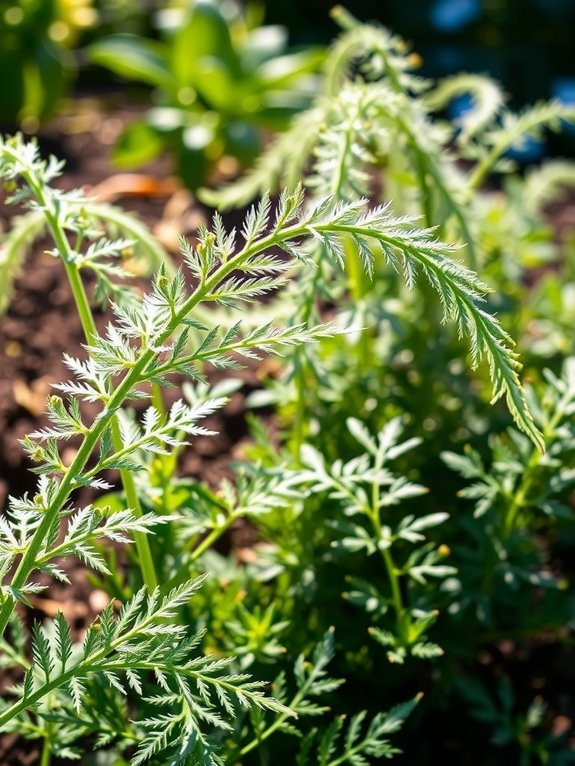
So, what’s the deal with dill’s lifespan? The answer really depends on your hardiness zone and how you manage the plant. In zones 2–8, dill typically behaves as either an annual or biennial, completing its entire life cycle within two years. But if you garden in zones 9–11, dill can actually stick around year after year under warm conditions, acting more like a perennial.
Here’s where you get to be the boss of your dill. If you pinch off flower buds before they develop seeds, you’ll encourage the plant to keep growing even in cooler regions. On the flip side, letting your dill flower and drop its seeds naturally creates self-sowing plants that come back on their own without any replanting effort from you. The plant adapts based on your climate and the choices you make about whether to deadhead or allow flowering.
Your Growing Zone Determines Dill’s Lifespan
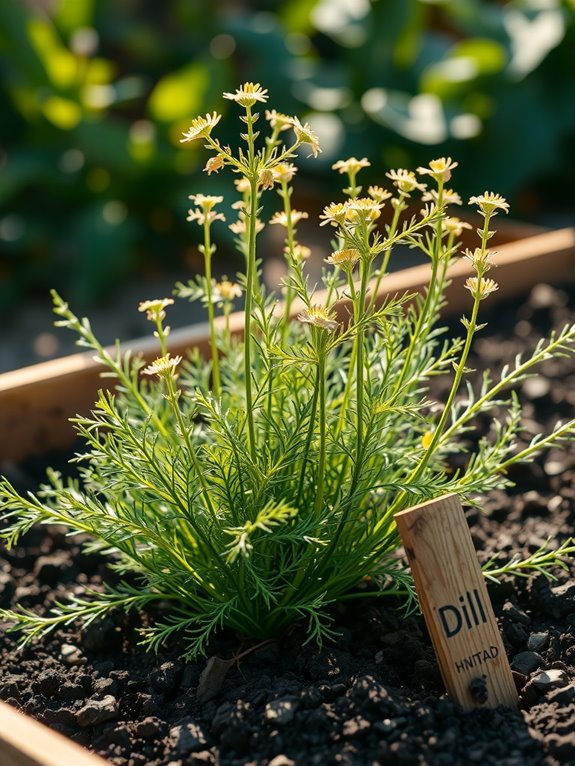
Where you live matters more than you’d think when it comes to keeping dill around year after year. Your growing zone essentially determines whether dill acts as an annual, biennial, or perennial in your garden.
In zones 9–11, dill behaves as a true perennial and returns reliably each season without replanting. Zones 2–8 typically see dill act as a biennial or annual, though Zone 6b gardeners get a sweet middle ground where dill might stick around longer than expected. The difference comes down to your area’s temperature patterns and winter lows.
Here’s the practical trick: don’t deadhead all your dill flowers. Instead, allow flower heads to fully mature and drop seeds right where you want them to land. This self-seeding strategy gives you persistent dill in cooler zones without replanting annually. Those volunteer plants will pop up the following season from seeds that fell naturally.
Think of it this way—you’re working with your plant’s natural cycle rather than against it. Let maybe 30 percent of your dill flowers go to seed while you harvest the rest for cooking. The mature seed heads turn brown and papery when ready, which signals they’re dropping viable seeds into the soil. Your zone’s temperature patterns ultimately control how long dill sticks around, but smart seed management helps you get more seasons out of it.
Dill Bolts in Heat: How to Use This to Your Advantage
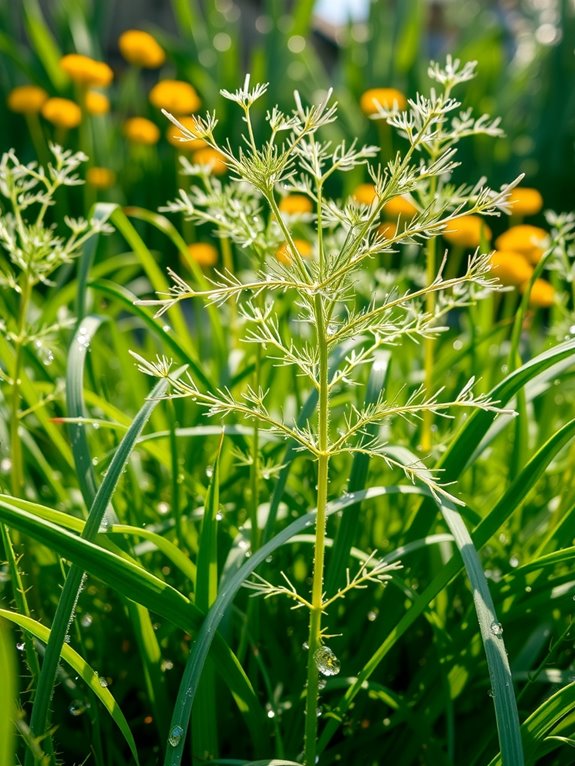
When temperatures climb above 75°F, your dill wants to bolt, and that’s actually useful if you plan accordingly. You have two clear paths depending on what you want from your plant.
If you’re after an extended harvest of tender leaves, pinch off those yellow flowers as they appear. This simple action delays bolting and keeps your dill producing fresh foliage longer, stretching your harvest season considerably. Removing flowers works because the plant’s energy stays focused on leaf growth rather than seed production, giving you weeks of harvestable greens instead of just a few.
Alternatively, let bolting happen naturally and lean into what the heat does. Allowing those flowers to mature gives you a later-season seed crop while feeding pollinators and beneficial insects in your garden. The mature seed heads dry right on the plant, making collection straightforward—just wait until they turn brown and papery, then snip them into a paper bag.
The choice comes down to timing and priorities. Want continuous tender leaves through summer. Pinch flowers. Prefer seeds for next year’s planting or cooking. Let those flowers finish their cycle.
Self-Seeding Dill: How It Comes Back Year After Year
When you let your dill flowers mature and drop their seeds, you’re essentially planting next year’s crop without spending a dime—those seeds will germinate when spring arrives and conditions cooperate. The real question is whether you want volunteers popping up naturally or prefer starting completely fresh each season, and that choice comes down to one simple action: deadheading the seed heads before they scatter gives you full control over what happens next.
Here’s where it gets interesting though—self-seeding isn’t a guaranteed annual event. Your zone matters quite a bit, along with your specific garden conditions and how much soil gets disturbed over winter months. A garden in zone 5 with mulched beds and minimal winter activity might see dill volunteers year after year, while the same setup in zone 9 with heavy winter rain could wash away most seeds or cause them to rot before spring. What works beautifully in one garden might flop completely in another, so you’ll want to observe your own space for a season or two to figure out the pattern.
Seed Drop and Volunteer Plants
If you let your dill flower and mature fully, you’ll get thousands of tiny seeds dropping naturally onto your soil. When those delicate flower heads dry out completely, they release their seeds right where they land. The volunteer plants emerge the following season without any effort on your part, giving you free dill next year.
You actually have control over whether this happens. If you harvest dill regularly for cooking, you’re already preventing most seed drop since you’re removing the flower heads. But if you want self-seeding to happen, just leave a few plants standing until they’ve completely dried out. Those volunteers will pop up wherever conditions suit them, usually in similar spots where you grew dill before.
The timing matters here. Dill flowers typically mature and dry over 2-3 weeks, depending on your weather. You’ll know seeds are ready when the flower umbels turn brown and papery to the touch. At that point, you can either let them drop naturally or cut the dried heads and scatter them where you want next year’s plants to grow.
One thing worth knowing: volunteer dill seedlings are pretty forgiving about where they land, but they do prefer the same sunny spots and well-draining soil that mature dill plants need. If you want to encourage self-seeding in a specific area, lightly rake the soil after the seeds drop so they make contact with the earth, which improves germination rates.
Managing Annual Reseeding Cycles
Would you like free dill showing up in your garden year after year? You really do have two straightforward options for managing how dill seeds itself.
The first path is to let nature do its thing. Leave the seed heads on the plant after flowering finishes, and volunteer seedlings will pop up naturally each spring and summer. This approach works particularly well in zone 6b when you’re not tilling or disturbing the soil much. You get dill without lifting a finger come next growing season.
Your second option gives you more control. Remove seed heads before they fully mature and dry out, which stops self-seeding from happening. This way you can plant fresh dill on your own schedule rather than dealing with surprise seedlings everywhere. Regular harvesting during the season also cuts down on self-seeding significantly since fewer flowers reach that seed-producing stage.
The choice really comes down to what appeals to you more: the convenience of volunteers returning on their own, or the predictability of planting new dill when you want it. Either approach works with dill’s natural habits instead of fighting against them, so pick whichever fits your gardening style.
Which Zones Allow Dill to Survive Winter
Where you live determines whether your dill sticks around for multiple seasons or finishes up after one growing year. If you’re gardening in zones 9–11, you’ve got true perennial dill that’ll happily overwinter outdoors since those milder climates let your plants survive year-round without stress.
In zones 2–8, dill typically behaves as a biennial or annual because freezing temperatures below 25°F kill it outright. Zone 6b sits in that tricky middle ground where dill might persist through winter if you let it reseed naturally, though it won’t reliably return without that help.
Your winter-survival strategy depends entirely on your zone’s climate patterns. Understanding this reality helps you plan accordingly and set realistic expectations for what your dill can handle season to season.
How to Encourage Volunteer Dill Seedlings
Want your dill to come back year after year without replanting? Let it self-seed instead. Stop harvesting before the plant flowers, and allow the seed heads to mature fully on the stems. Once they turn brown and papery—usually by late summer—those seeds are ready to drop naturally into your soil.
This approach creates volunteer seedlings that pop up when conditions align. Your germination chances improve substantially when you skip the cleanup phase and leave fallen seeds undisturbed in the soil. In favorable zones like 6b, minimal soil disturbance helps dill overwinter successfully, with seedlings emerging refreshed each spring.
Scout the area around your original patch regularly throughout spring and early summer. Transplant seedlings where you want them, or remove extras that don’t fit your garden layout. You’re basically recruiting nature to handle the replanting work for you, which means less effort come spring.
Managing Dill So It Doesn’t Reseed Uncontrollably
While volunteer dill seedlings might seem like a convenient bonus, they can quickly spiral into an uninvited takeover of your garden beds. Staying proactive about managing your dill patch keeps things under control without requiring constant vigilance.
| Management Strategy | When to Apply |
|---|---|
| Remove seed heads | Before seeds fully mature |
| Cut flowering stems | Early bloom stage |
| Harvest foliage regularly | Throughout growing season |
| Monitor spring seedlings | April through May |
| Disturb soil minimally | Year-round practice |
The most effective approach is regular harvesting. When you cut dill foliage throughout the growing season, the plant puts less energy into making seeds, which naturally reduces reseeding. Think of it like this: a plant that’s constantly losing its top growth stays focused on leaf production rather than reproduction.
If you want to prevent seed formation entirely, remove seed heads or cut back flowering stems before the seeds mature and turn brown. Catching them at the early bloom stage, when flowers first appear, gives you the best window for prevention. Once those seeds dry out and shatter, they’re scattered and waiting to sprout next spring.
For gardeners who prefer dill as a one-season annual, plan to replant fresh seeds each year and watch for volunteer seedlings popping up in April through May. Pull these volunteers as soon as you spot them, or let them grow if you want extra plants for that season. Keeping soil disturbance minimal year-round also helps, since digging and tilling can bring buried seeds to the surface where they’ll germinate.
Planting Dill for Consistent Harvests Across Seasons
Once you’ve figured out how to manage dill’s self-seeding habit, you can work with it instead of fighting it. Strategic replanting keeps fresh dill coming throughout the year without those frustrating gaps between harvests.
Your approach depends on your climate zone. In warmer areas, dill behaves more like a perennial, so you can let some plants flower and drop seeds naturally for volunteer plants the following season. Cooler climates need a different rhythm—plant new seeds every three weeks starting in spring to maintain consistent supply.
The basic method is straightforward: sow dill seeds directly into the soil, then repeat this planting every few weeks for continuous harvests. Let a few plants mature, flower, and go to seed, which creates self-seeding cycles that keep your supply going without constant effort. This approach works with dill’s natural tendencies rather than against them, giving you reliable harvests with minimal replanting work.
Growing Perennial Dill in Warm Climates (Zones 9–11)
In zones 9–11, pinching off flower buds before they fully develop is your ticket to keeping dill producing fresh foliage year-round instead of completing its life cycle and dying back. When you remove those developing flowers with your fingertips or small pruners, you’re redirecting the plant’s energy toward leaf production rather than seed formation. This technique works because dill naturally wants to flower and set seed, which signals the end of its growth phase.
The timing matters here. Once you spot flower buds forming at the top of the stems—they’ll look like tiny yellow clusters—pinch them off within the first few days of their appearance. Check your plants every 3 to 5 days during warm months when growth accelerates. By catching buds early, you prevent the plant from wasting resources on flowering and keep it in that productive leafy stage much longer.
What makes this approach worth your effort is the steady harvest you’ll get. Rather than watching your dill bolt and peter out after a few weeks like it does in cooler climates, your warm-zone plants bounce back after cutting and keep producing tender new growth. You can snip leaves regularly for cooking without guilt, knowing the plant will fill back in within days. The consistent warmth in these zones actually works in your favor once you establish this pinching routine—your dill stays happy, stays leafy, and keeps rewarding you with fresh harvests.
Flower Removal Techniques
Keeping dill productive year-round in warm climates (Zones 9-11) comes down to one straightforward practice: removing flowers before they fully mature. When you deadhead dill flowers, you’re redirecting the plant’s energy away from seed production and toward continuous leaf growth. This delays bolting significantly, keeping your foliage tender and harvestable for several months longer than normal.
The practical approach is simple. Pinch off dill flowers as soon as they emerge, before they open completely. This reduces seed development and prevents self-seeding, which helps your dill behave more like a perennial plant that keeps producing leaves season after season. You’re not fighting against the plant’s nature—you’re just giving it a gentle nudge in a direction that works better for your kitchen.
The combination of regular deadheading with consistent watering and well-draining soil creates the conditions for reliable, year-round harvests. Well-draining soil prevents root rot during warm, wet periods, while steady moisture keeps the plant from getting stressed and bolting prematurely. About 1 to 2 inches of water per week (depending on rainfall and heat) usually works well in warm zones. Without this complete approach, deadheading alone won’t give you the results you’re after.
Year-Round Cultivation Strategies
Living in Zones 9–11 gives you a real leg up for keeping dill growing most of the year. The trick isn’t complicated—it’s about working with what your climate already does well. Regular deadheading stops your plants from making seeds, which is what triggers bolting in the first place. When you remove those flower heads before they dry out, your dill keeps putting energy into leafy growth instead of racing toward reproduction.
Compact varieties like Fernleaf or Dukat naturally take longer to bolt than standard types, so they’re your best bet for sustained harvests. These cultivars handle the warmth better and stay productive through mild winters when conditions stay right. Plant them where they get full sun—at least 6 to 8 hours daily—and give them well-drained soil that stays consistently moist but never waterlogged. Dill roots prefer stability, so once plants are established and growing, avoid moving them around.
The combination of deadheading before flowering and choosing bolt-resistant varieties gives you something close to perennial performance without the fuss. You’re not fighting against the plant’s nature; you’re just keeping it in the growth phase longer by preventing the seed-making stage that tells it to quit.
Zone-Specific Climate Adaptation
In zones 9–11, dill can actually become a perennial plant instead of disappearing after one season. The trick is letting your dill stems overwinter so new growth sprouts from the existing roots when spring arrives. You’ll need to manage bolting by pinching off flower heads before they fully develop, which keeps the plant’s energy focused on leafy growth rather than seed production. This keeps your dill producing year after year.
During hot summers, watch for heat stress—the plant may look tired, but it typically bounces back and regrows from the base once temperatures drop. The key is maintaining consistent moisture and protecting against freezes in zone 9, where occasional cold snaps can damage foliage. With these conditions met, your dill becomes semi-woody or evergreen, rewarding you with continuous harvests through multiple growing seasons.