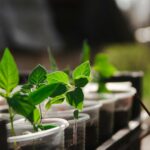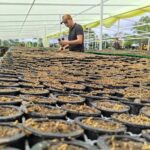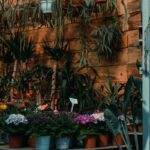
Start by locating your last frost date and checking your hardiness zone, which prevents you from planting tender crops before the soil warms up. Cool-season vegetables like lettuce and snow peas germinate quickly in spring’s mild temperatures, giving you an early harvest before summer heat arrives.
Layer in spring perennials and early-blooming shrubs such as Spiraea, which provide structure to your beds and return reliably each year. These woody plants anchor your garden design while you’re still deciding on annual placement.
Add annual flowers like Sweet Alyssum to fill gaps with continuous color throughout the season. These plants bloom steadily from planting day through frost, filling spaces between your slower-growing perennials and shrubs without much fussing.
Getting the timing right means coordinating what you plant with your local weather patterns, so your garden actually produces food and flowers instead of disappointing you with frost damage or wilting seedlings.
Know Your Frost Date and Zone First
Why does planting at the right time matter so much? Your success really depends on understanding your USDA Zone Map and frost date—two pieces of information that shape your entire spring planting plan.
Start by locating your hardiness zone and last frost date, which you can find through your local extension office or online USDA tools. This knowledge tells you exactly when soil conditions align with your sowing window, preventing the kind of mistakes that waste seeds and time. Your frost risk window determines which spring vegetables you can plant first—cold-hardy crops like lettuce and radishes tolerate light frosts down to around 28–32°F, so you’ll sow them weeks earlier than heat-sensitive varieties. Tender plants like tomatoes and peppers need to wait until after your last frost date passes, which might be mid-May in cooler zones but as early as March in warmer areas.
Once you’ve nailed down these details specific to your location, you can plan with confidence. You’ll know whether you’re working with a short growing season that demands quick decisions or a longer window that lets you stagger your plantings. That’s the kind of practical foundation that keeps your garden on track.
Start With Cool-Season Vegetables for Quick Harvests
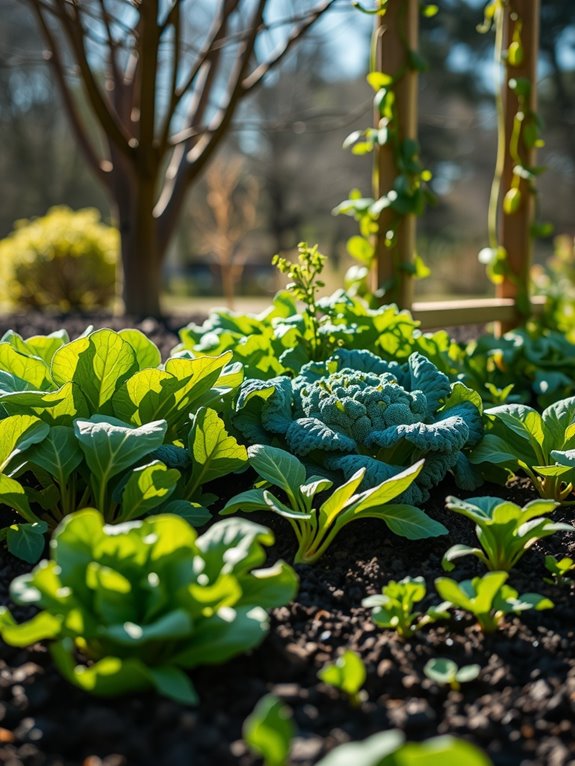
When’s the best time to actually get your hands dirty? Right now, with cool-season vegetables that reward you fast. Plant lettuce and mesclun seeds eight weeks before your last frost date, and you’ll have baby greens ready in three weeks. Snow peas are speedy growers—sow them as soon as the ground’s workable, and they’ll climb trellises while you’re tending other beds.
Radishes deliver harvests in just weeks, making them perfect for early spring before warmer weather slows their growth. Kale varieties like Red Russian handle cold beautifully; plant them two to four weeks before your last frost and harvest young leaves regularly for tender greens. Broccoli and cauliflower also benefit from early planting, maturing faster when you start them six weeks before that frost date.
These crops give you results quickly because they’re adapted to spring conditions. Planting early saves money on seedlings and produces better flavor in cool weather, so you’ll notice the difference right away compared to late-season plantings.
Plant Spring Perennials for Years of Blooms
While cool-season vegetables give you quick wins in spring, perennials work differently—they come back reliably each year without the replanting effort. Start by finding your hardiness zone on the USDA map, which tells you which plants can actually survive your winters and thrive in your specific climate conditions.
Look for reblooming varieties like Azaleas or Spiraea that flower multiple times throughout the growing season, stretching your garden’s color well past those first spring weeks. If your yard leans toward shade, Jacob’s Ladder and Lungwort handle dim light much better than full-sun plants, so you won’t waste money on varieties that’ll sulk in the shadows.
Deer can demolish a garden faster than you’d think, so choosing deer-resistant plants like Baptisia or Bergenia saves you from having to fence everything in or use deterrent sprays repeatedly. Pair early bloomers like Lenten Rose with evergreen shrubs placed nearby, which keeps your garden looking intentional and interesting even when the perennials aren’t flowering. These combinations also give birds and beneficial insects places to rest and shelter throughout the year, which naturally helps your whole garden work better together.
Choose Early-Blooming Shrubs and Accent Plants
Early-blooming shrubs give your spring garden the structure and staying power it needs to look polished all season long. When you pick the right varieties, you get fragrance and reblooming potential that carries well beyond those initial spring flowers.
Jubilation Gardenia reaches 3–4 feet tall and produces fragrant white flowers from spring through fall in zones 7–10. If you’re working with shade, Soft Caress Mahonia brightens early winter with yellow blooms and bamboo-like texture that adds visual interest year-round. For accent plants that pack personality into smaller spaces, Purple Pixie Loropetalum grows just 1–2 feet tall with showy pink flowers and striking purple foliage, handling full sun to part shade without complaint.
Little Bonnie Spiraea offers another solid option, delivering drought tolerance and lavender-pink spring blooms across zones 4–9. These flowering shrubs create the backbone your garden needs, providing height variation and seasonal color that keeps things looking intentional rather than just whatever happened to survive.
Extend Spring Color With Annual Flowers
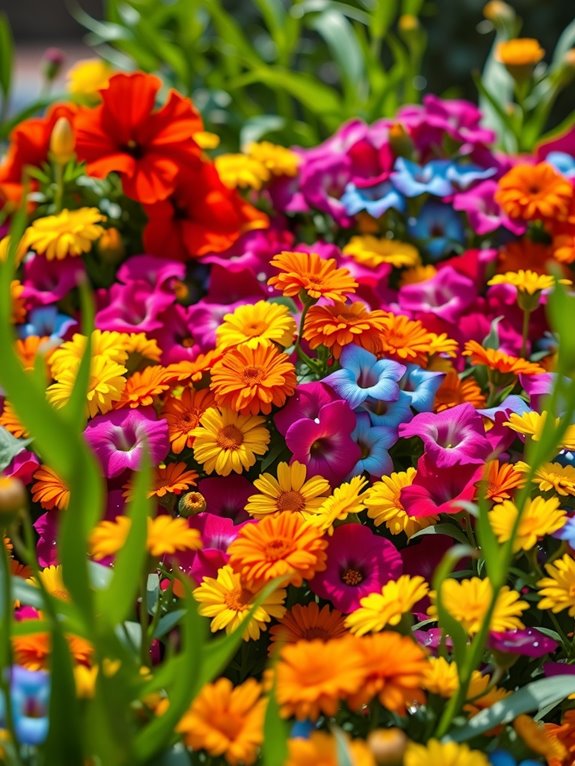
How do you keep your spring garden looking vibrant long after those early shrubs fade? Plant annual flowers during late winter and early spring to bridge that colorful gap between spring bloomers and summer heat.
| Plant | Best Use | Bloom Time | Care Level |
|---|---|---|---|
| Sweet Alyssum | Edging, spiller plant | Planting to frost | Minimal |
| African Daisy | Spring containers | Spring through fall | Low |
| Supertunia | Containers, beds | Planting to frost | No deadheading |
| False Indigo | Perennial accent | Spring | Moderate |
Sweet Alyssum works beautifully as edging or a spiller plant in container gardening. Plant seeds about 6 inches apart along borders, where they’ll deliver continuous blooms without fussy deadheading or frequent watering. The delicate clusters of tiny flowers smell faintly sweet and attract pollinators throughout the season.
Supertunia petunias give vigorous color from planting straight through frost with zero deadheading required, which makes them practical for busy gardeners. Space them 12 to 18 inches apart in containers or beds, and they’ll spread into full, mounding shapes that cascade beautifully over edges.
African Daisy’s cool-weather tolerance means your spring flowers stay colorful as temperatures rise into summer. These cheerful daisies with their orange, yellow, or pink petals handle light frosts better than most annuals, so they keep blooming well into late spring when other flowers might slow down.
Plant these annual flowers in succession every 3 to 4 weeks if you want continuous color, or plant them all at once for a full, immediate display. Either way, you’ll have a garden that feels welcoming throughout the season without demanding constant attention.